Struggling to improve your stroke despite endless laps? You’re not alone. Most swimmers plateau because they repeat flawed techniques—drilling mistakes into muscle memory. The real solution isn’t more time in the pool. It’s smarter, personalized training. That’s where effective personal swimming trainer exercises make all the difference.
Why Generic Swim Drills Fail 90% of Learners
Group classes and YouTube tutorials treat every body like it’s built the same. But biomechanics vary wildly—a drill that fixes one person’s catch might wreck another’s shoulder alignment. And most recreational swimmers never learn how water actually responds to subtle shifts in hand pitch or core tension.
Worse? They waste energy fighting drag instead of harnessing flow. Without real-time feedback tailored to your physiology, you’re just splashing in place.
The Step-by-Step Guide to Precision Swimming
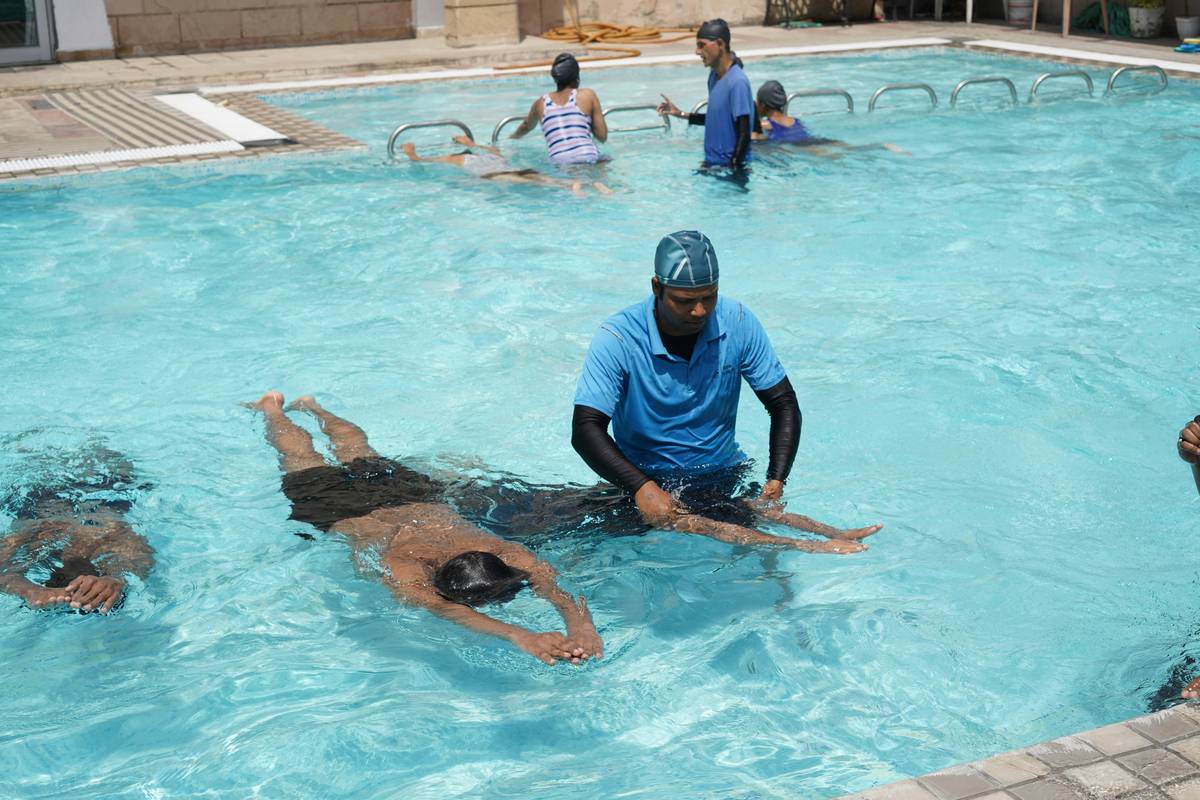
Forget robotic repetition. Elite progress comes from targeted micro-adjustments guided by someone who sees what you can’t. Here’s how to structure your sessions for measurable gains.
Focal Point Drills: Rewire Neuromuscular Pathways
Pick ONE element per session—like high elbow recovery or streamlined push-off—and isolate it. Do 4 x 25m with laser focus. Rest. Repeat. This forces neuroplasticity faster than full-stroke thrashing.
Breath Control Integration
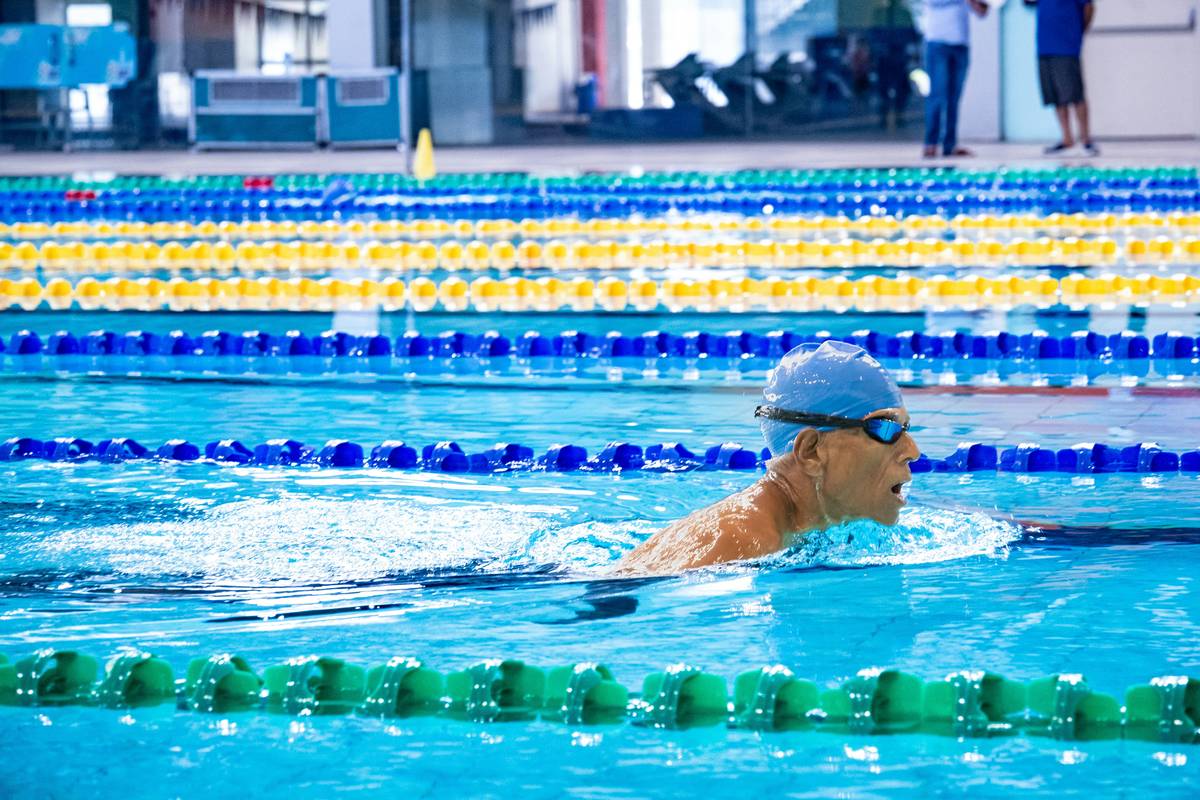
Most amateurs hold their breath underwater then gasp mid-stroke—killing rhythm. Work with your trainer to sync exhalation with arm pull. Try bilateral breathing every third stroke to balance rotation.
Resistance & Proprioception Cues
Use drag socks, paddles, or even closed fists to heighten awareness of water feel. Counterintuitive? Yes. But stripping away propulsion reveals inefficiencies hidden at full speed.
| Exercise Type | Primary Skill Targeted | Equipment Needed | Frequency per Week |
|---|---|---|---|
| Kickboard Balance Drill | Core stability + leg drive | Kickboard, snorkel | 2x |
| Fist Swim Intervals | Forearm sensitivity + early vertical forearm | None | 1–2x |
| Zipper Drill (Freestyle) | High elbow recovery + relaxed shoulder | None | 3x |
| Underwater Dolphin Sprints | Undulation power + streamline integrity | None | 2x |
The Industry Secret: Dryland Mimicry Beats Extra Pool Time
Here’s what few trainers admit: 70% of stroke flaws originate on dry land. Poor scapular mobility? Weak hip flexors? Your kick will collapse regardless of pool reps. Top coaches now integrate swim-specific dryland circuits that mirror exact joint angles and force vectors used in water.
Example: Banded prone Y-T-I raises with 3-second eccentric holds simulate the freestyle recovery phase better than any gym machine. Do these before hitting the water—they prime neural pathways so your brain recognizes “correct” movement instantly. The math is simple: 15 minutes of precise dryland prep = 45 minutes of inefficient splashing.
FAQ
What’s the #1 mistake beginners make with personal swimming trainer exercises?
They chase distance over precision. Better to nail 25 perfect meters than slog through 500 sloppy ones. Quality engrains correct patterns.
How often should I train with a personal swimming coach?
Twice weekly is ideal. One session for skill breakdown, another for integration under fatigue. Consistency beats marathon drills.
Can I do personal swimming trainer exercises without a pool?
Partially. Dryland mimicry builds strength and awareness—but water immersion remains irreplaceable for timing, buoyancy, and sensory feedback.