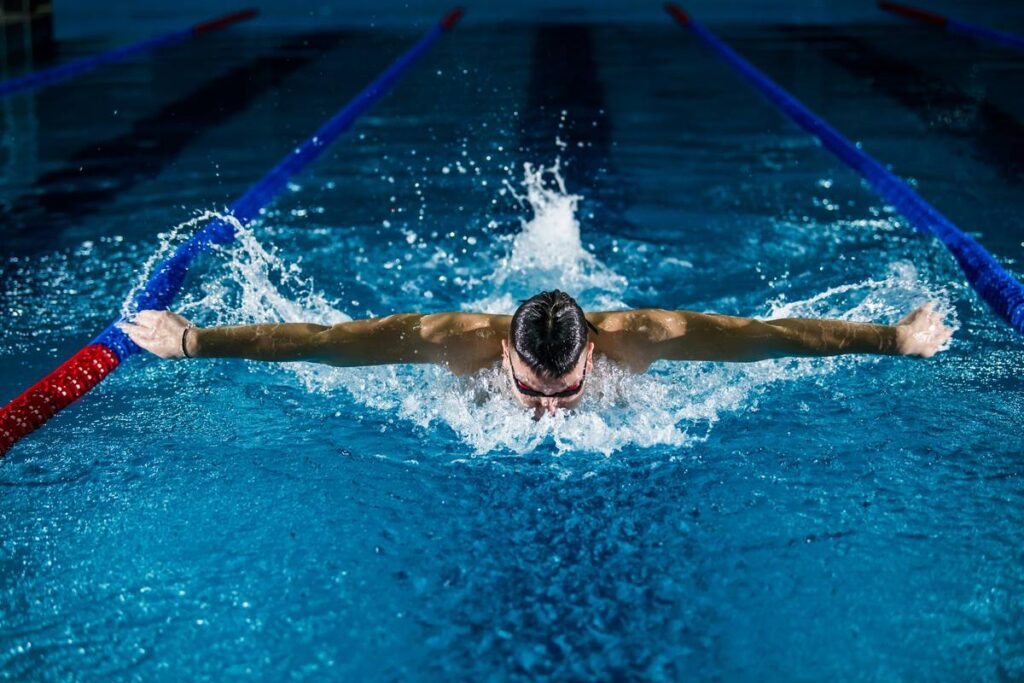
Most swimmers plateau within months—not because they lack effort, but because their training methods for swimming are built on outdated drills and generic advice. You show up. You log laps. Yet your times barely budge. Frustration builds. Here’s the fix: ditch cookie-cutter programs. Embrace techniques that adapt to your biomechanics, not some elite athlete’s.
Why Most Swimmers Never Improve
Traditional swim coaching treats water like a track—just push harder, go faster. But water isn’t forgiving like pavement. It’s dense, chaotic, and unforgiving to inefficiency. One small flaw in body alignment or stroke timing gets amplified exponentially with every meter.
And here’s the kicker: most online programs ignore drag physics entirely. They focus on volume over velocity control. Result? You build fatigue, not propulsion.
Step-by-Step Guide to Smarter training methods for swimming
Master Hydrodynamics First, Not Yardage
Before adding another 100 meters, learn how your body slices through water. Film yourself underwater—even a smartphone in a waterproof case works. Watch for leg drop, head lift, or crossing-over arms. Fix form blind spots first.
Use Threshold Intervals, Not Just Sprints
Racing your heart out every set teaches poor energy management. Instead, train at your anaerobic threshold—about 85-90% of max effort—for controlled bursts. This builds sustainable speed without wrecking your recovery.

Integrate Dryland Mobility Daily
Swimming demands extreme shoulder rotation and hip flexion. Tight lats or stiff ankles sabotage streamline. Spend 10 minutes post-swim on band pull-aparts, ankle circles, and thoracic spine rotations. Your stroke will thank you.
| Training Method | Best For | Weekly Frequency | Cost (USD) |
|---|---|---|---|
| Threshold Intervals | Endurance & Race Pace | 2–3 sessions | $0 (pool access only) |
| Underwater Video Analysis | Technique Correction | Once every 2 weeks | $15–$50 (DIY setup or coach fee) |
| Dryland Mobility Circuit | Injury Prevention & Flexibility | Daily (10 mins) | $0–$20 (resistance bands) |
| Drag-Based Resistance Training | Power Development | 1 session | $25–$60 (parachute or paddles) |
Leverage Drag—Don’t Fear It
Counterintuitive? Maybe. But adding controlled resistance (like drag chutes or hand paddles) forces neuromuscular adaptation. Your catch strengthens. Your kick becomes propulsive, not just splashy. Use it sparingly—once a week max—to avoid shoulder strain.

The Industry Secret: Swim Slower to Get Faster
Elite coaches won’t tell you this publicly—it sounds too passive. But here’s what works: dedicate one full session per week to “slow swimming.” Glide phases extended. Stroke count minimized. Hear your breath. Feel pressure changes along your forearm. This isn’t lazy swimming. It’s sensory recalibration. You rewire your nervous system to detect inefficiency in real time. And that awareness? It translates directly to race-day speed—without extra effort.
Frequently Asked Questions
What’s the best training method for beginners?
Focus on balance and bilateral breathing first. Use kickboard-free drills to develop core-driven propulsion. Avoid over-reliance on gear early on.
How often should I change my swim training methods?
Every 4–6 weeks. Your neuromuscular system adapts fast. Stagnation begins when routines stay static beyond that window.
Can dryland exercises replace pool time?
No. They complement—but never substitute—for actual water work. Swimming is a skill sport. You must practice in the medium itself.