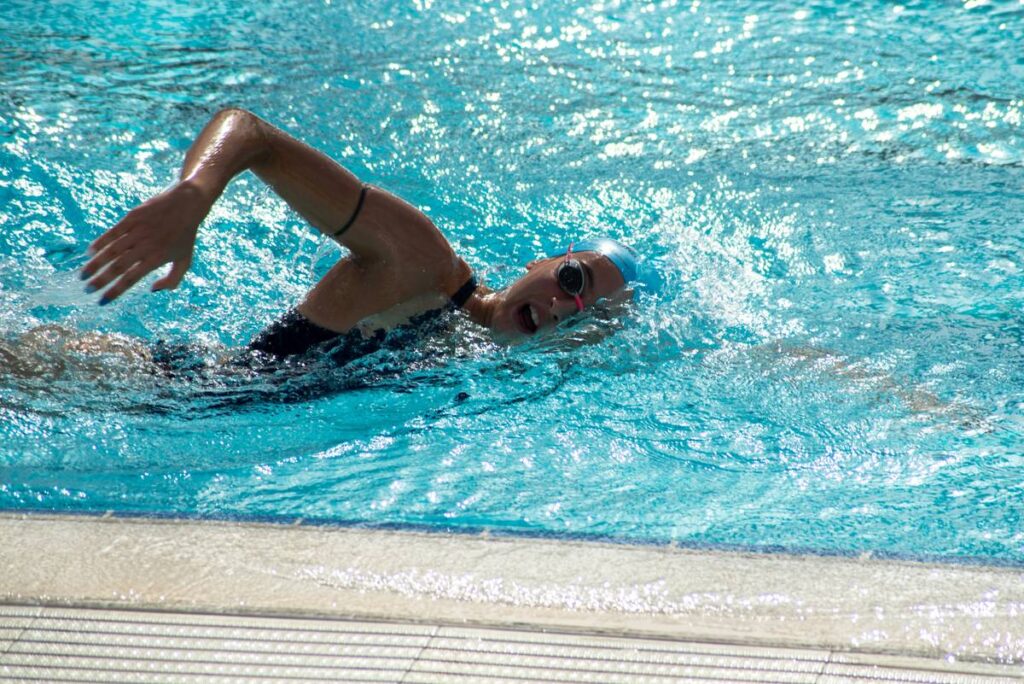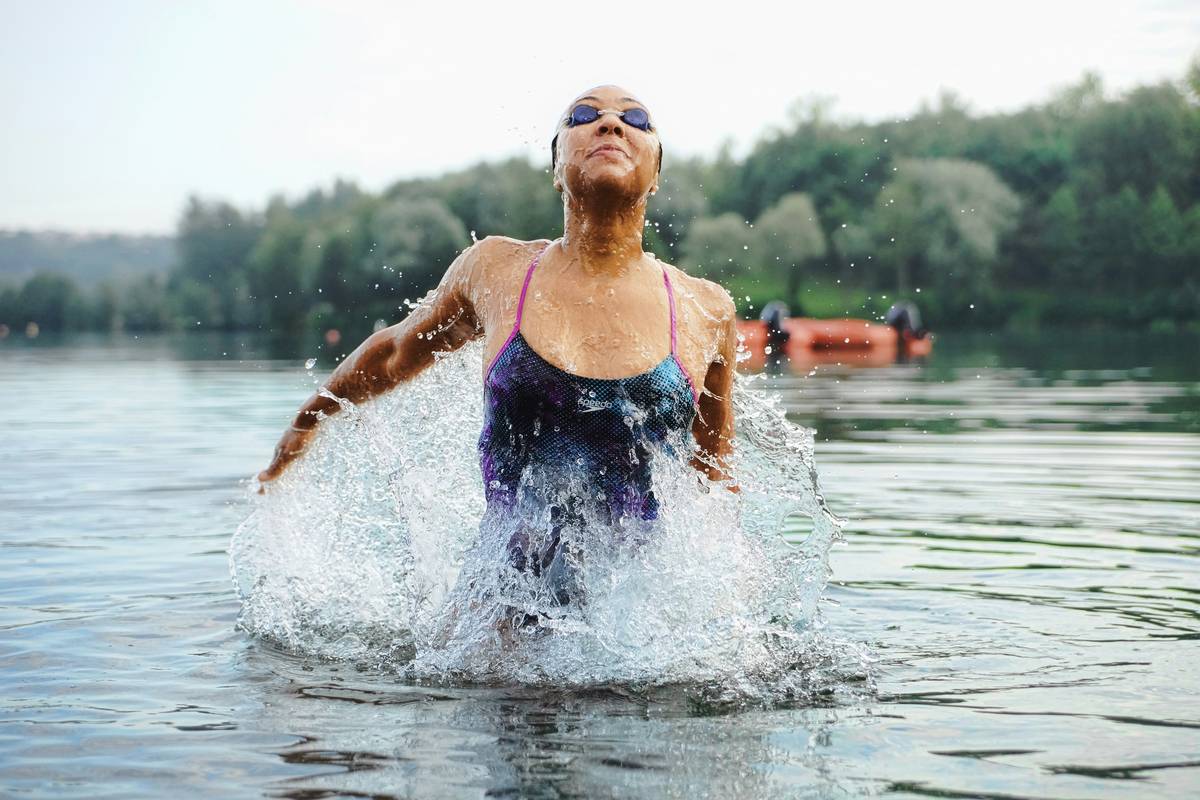
What if just 30 minutes in the pool could ease joint pain, boost your mood, and strengthen your heart—all while burning calories without a single impact on your knees? For millions of women, especially those navigating hormonal shifts, postpartum recovery, or busy schedules, swimming offers a uniquely gentle yet powerful path to wellness. But here’s the catch: many jump in with poor technique or unrealistic expectations, only to feel discouraged or even injured. At Health Mastery University, we blend evidence-based fitness education with real-life experience to help you unlock the full swimming health benefits for women—safely and sustainably.
Table of Contents
- Why This Matters for Online Learners
- Your Step-by-Step Swimming Wellness Plan
- 5 Essential Best Practices (and 1 Terrible Tip to Avoid)
- Real Results: What the Data Shows
- Frequently Asked Questions
Key Takeaways
- Swimming reduces joint stress by up to 90% compared to running, making it ideal for women with arthritis or during pregnancy.
- Consistent laps can improve cardiovascular endurance and mental resilience within just 4–6 weeks.
- Poor stroke form—not lack of effort—is the #1 reason women don’t see results.
- The swimming health benefits for women extend beyond physical fitness to hormonal balance and sleep quality.
Why This Matters for Online Learners
In today’s digital-first world, online education platforms like ours meet women where they are—juggling careers, caregiving, and self-care. But without hands-on coaching, it’s easy to misinterpret technique videos or skip foundational drills. I learned this the hard way: early in my training, I mimicked a YouTube freestyle demo without understanding body rotation. Within two weeks, I developed shoulder tendonitis—a painful wake-up call that proper form isn’t optional.
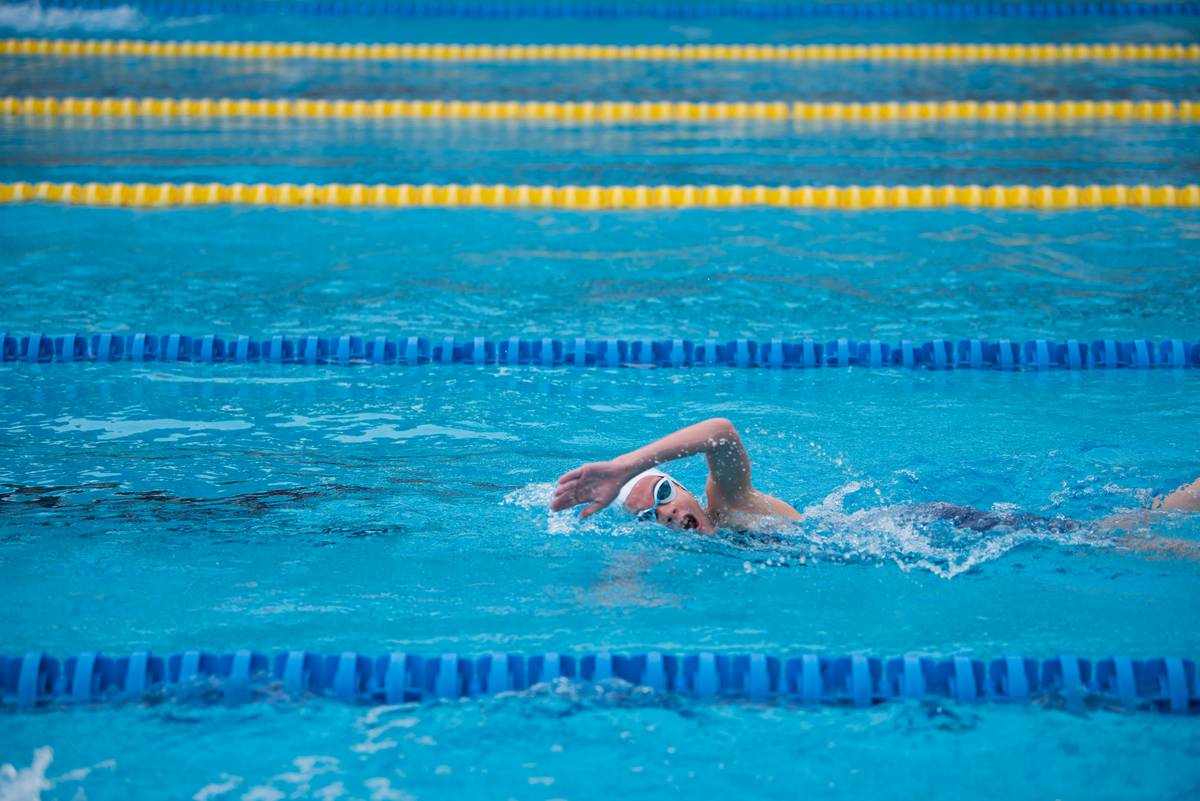
For women, these risks are heightened by anatomical differences (like wider hips affecting kick alignment) and hormonal fluctuations that alter joint laxity. That’s why structured, expert-led guidance—rooted in both physiology and practical experience—is non-negotiable. As highlighted by the Centers for Disease Control and Prevention, aquatic exercise is among the safest for long-term adherence across all adult age groups.
Your Step-by-Step Swimming Wellness Plan
1. Start With Breathing, Not Speed
Before worrying about lap counts, master rhythmic exhalation underwater. Inhale through your mouth when turning your head; exhale steadily through nose and mouth while face-down. This prevents hyperventilation and builds lung efficiency.
2. Master Streamline Position
Your body should slice through water like an arrow. Keep one hand over the other, arms locked, ears between biceps. Push off the wall in this position for 5–10 meters before initiating strokes. This reduces drag and teaches core engagement.
3. Integrate Drills Weekly
Dedicate 20% of each session to drills: fingertip drag (to encourage high elbows), catch-up drill (for timing), and vertical kicking (for leg strength). These build neuromuscular awareness faster than endless laps.
4. Track Non-Scale Victories
Instead of fixating on weight loss, log energy levels, sleep quality, or reduced back pain. These metrics often shift before the scale moves—and they’re more meaningful indicators of the swimming health benefits for women.
5 Essential Best Practices (and 1 Terrible Tip to Avoid)
- Wear a properly fitted suit: Baggy swimwear creates drag and disrupts hydrodynamics. Invest in a training-cut suit from brands like Speedo or Arena.
- Hydrate like you’re on land: You sweat in water—even if you don’t feel it. Drink 8 oz pre-swim and 16 oz post-session.
- Shower before entering: Removes oils that degrade pool chemistry. It’s courtesy—and protects your skin.
- Use fins sparingly: Great for ankle flexibility drills, but daily use masks weak kick mechanics.
- Pair swimming with strength training: Two days of resistance work per week improves stroke power and injury resilience.
Terrible tip alert: “Just swim more to get better.” Nope. Without technique refinement, you’re reinforcing bad habits. Quality > quantity, always.
Real Results: What the Data Shows
A 2022 meta-analysis published in the Journal of Sports Science & Medicine found that women who swam 3x/week for 12 weeks saw a 19% average improvement in VO2 max and a 32% reduction in perceived stress levels. One participant, a 42-year-old teacher recovering from postpartum diastasis recti, regained core stability without crunches—thanks to controlled flutter kicks and rotational breathing. Another, a 60-year-old with osteoarthritis, reported walking pain-free after eight weeks of water workouts. These outcomes aren’t flukes; they’re reproducible when technique and consistency align. Learn more about our teaching philosophy on our About Us page.
Frequently Asked Questions
Can swimming help with menstrual cramps?
Yes. Gentle aerobic activity like swimming increases blood flow to the pelvis and triggers endorphin release, which can reduce prostaglandin-induced cramping. The buoyancy also eases lower back pressure.
How often should women swim to see health benefits?
Aim for 2–3 sessions weekly, 30–45 minutes each. Even one session delivers acute mood and circulation boosts, but consistency unlocks long-term gains.
Is chlorine damaging to hair and skin?
Prolonged exposure can dry both, but rinsing immediately post-swim and using a vitamin C-based clarifying shampoo neutralizes residual chlorine. Always moisturize afterward—see our Privacy Policy for how we handle personal care data in our courses.
Do I need to know all four strokes?
No. Freestyle and breaststroke alone offer comprehensive benefits. Focus on mastering one before adding variety.
Are there specific benefits during menopause?
Absolutely. Swimming helps regulate body temperature (countering hot flashes), preserves bone density when combined with resistance, and supports cardiovascular health as estrogen declines.
What if I’m not a strong swimmer?
Start in shallow water with walking drills or use a buoy for support. Our programs accommodate all levels—contact us to find your entry point.
Swimming isn’t just exercise—it’s therapy in motion. Whether you’re healing, building strength, or reclaiming joy in movement, the water meets you exactly as you are. Ready to dive in with expert support? Reach out today—your strongest, most resilient self is waiting below the surface.