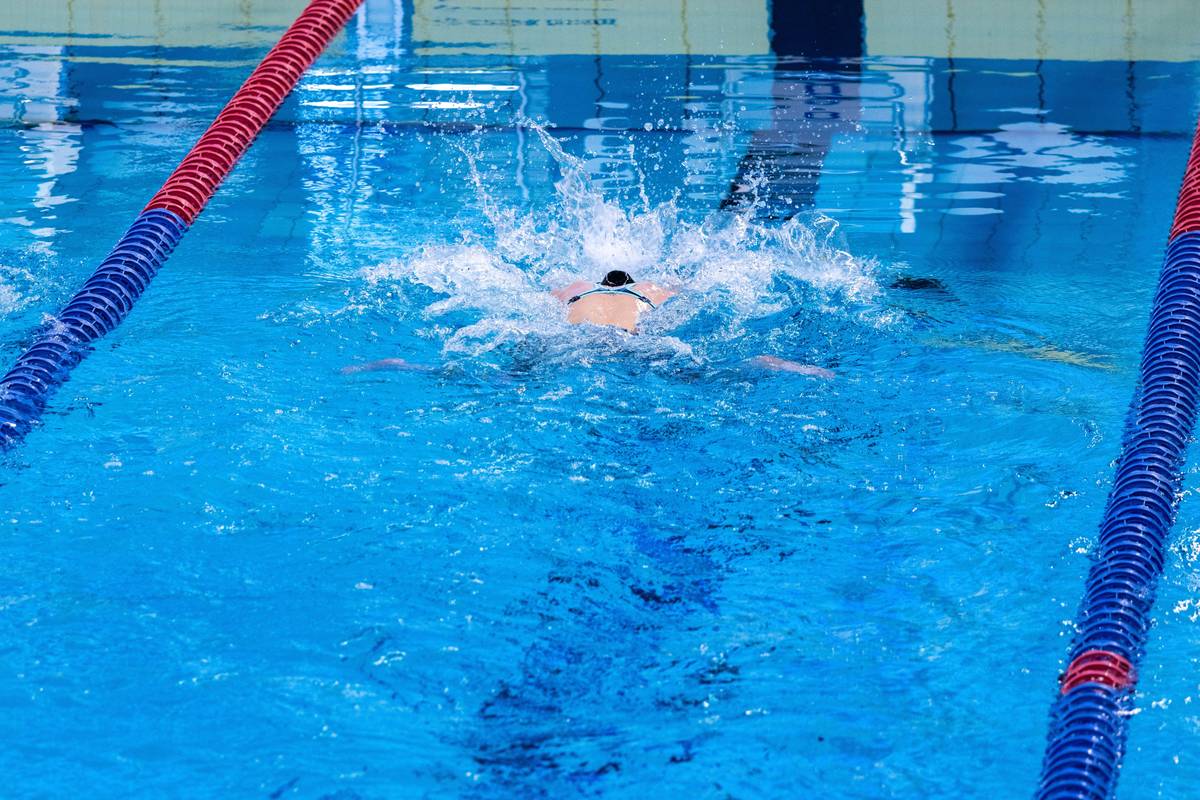
Ever wonder why you’re logging endless laps but barely gaining speed or endurance? You’re not alone. Many swimmers—especially those training independently through online education platforms—make the critical mistake of only practicing in the water. The truth? Dryland training is your secret weapon. In this guide, we’ll unpack exactly how targeted gym exercises to improve swimming can transform your stroke efficiency, power, and stamina—without adding hours to your pool time.
Table of Contents
- Why Gym Training Matters for Swimmers
- Step-by-Step Guide to Land-Based Swim Enhancement
- Best Practices for Maximizing Dryland Results
- Real-World Results from Integrated Training
- FAQ: Gym Exercises to Improve Swimming
Key Takeaways
- Dryland work builds core stability and shoulder resilience—critical for efficient propulsion.
- Just 2–3 weekly gym sessions of 30–45 minutes significantly boost swim performance.
- Avoid overtraining shoulders; balance pushing with pulling movements.
- Consistency beats intensity—moderate, regular strength sessions yield better long-term gains than sporadic heavy lifting.
Why Gym Training Matters for Swimmers
Here’s a hard truth I learned the painful way: during my first competitive open-water season, I skipped dryland training entirely, assuming “more swim = better swim.” By week three, my shoulders screamed with every freestyle pull. Turns out, swimming demands explosive power from lats, controlled rotation from the obliques, and unwavering core stability—all of which deteriorate without land-based reinforcement.
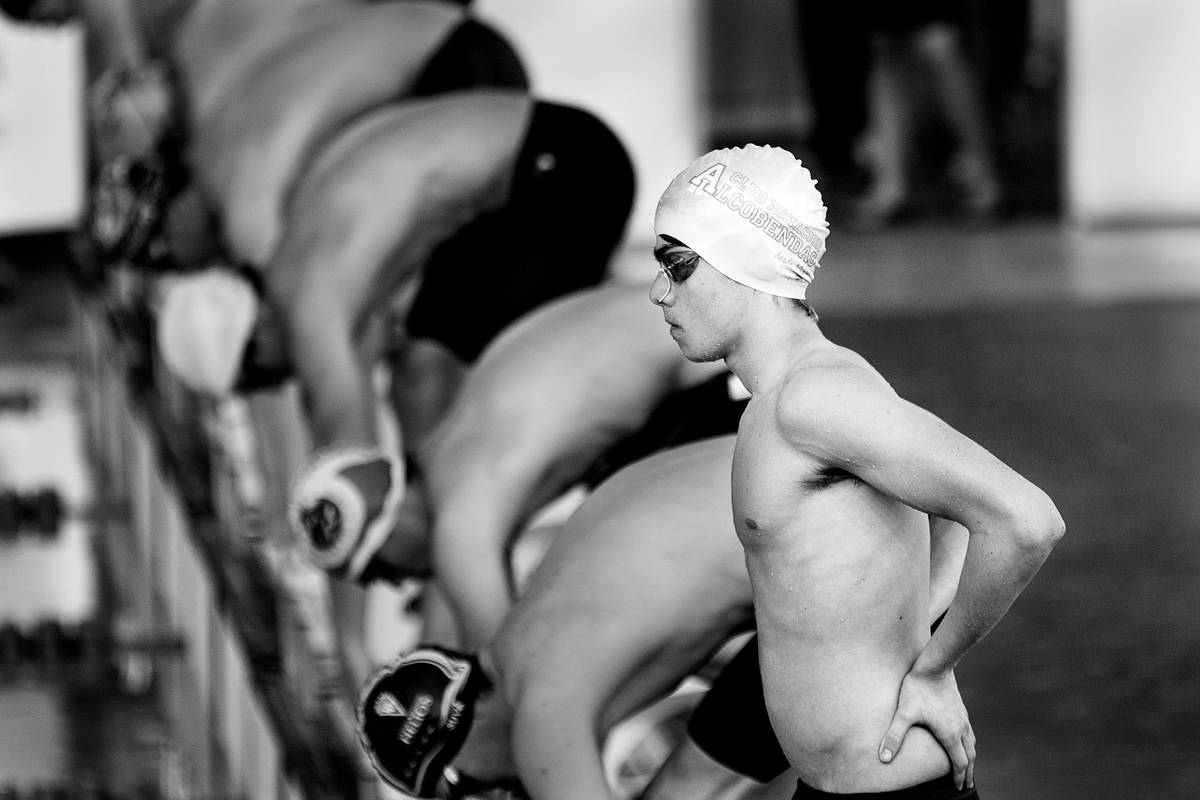
This gap is especially pronounced in the Online Education space. Learners studying aquatic fitness remotely often miss the hands-on correction a coach would provide. Without structured off-pool routines, imbalances creep in. According to the American Council on Exercise (ACE), swimmers who integrate strength training reduce injury risk by up to 50% while increasing stroke length and efficiency (ACE, 2021).
Step-by-Step Guide to Land-Based Swim Enhancement
1. Assess Your Weak Links
Are your kicks weak? Focus on glute and hamstring activation. Does your catch feel sloppy? Strengthen your lats and rotator cuff. Film yourself swimming or work with an online coach to pinpoint limitations.
2. Build a Balanced Routine
Structure workouts around movement patterns, not just muscles:
- Pull: Lat pulldowns, seated rows
- Push: Overhead press (light weight!), push-ups
- Core: Dead bugs, plank variations
- Hip Drive: Glute bridges, single-leg Romanian deadlifts
3. Prioritize Control Over Load
Swimming is about fluid force application—not brute strength. Use moderate weights with strict form. A shaky 100-lb bench press won’t help your streamline; a controlled 10-lb external rotation will protect your shoulder capsule.
Best Practices for Maximizing Dryland Results
- Train 2–3x Weekly: Enough for adaptation, not so much that you’re fatigued in the pool.
- Pair Movements with Strokes: Butterflyers need explosive hip extension; backstrokers require thoracic mobility.
- Never Skip Mobility: Add 10 minutes of dynamic stretching post-workout—tight pecs sabotage reach.
- A Terrible Tip to Avoid: “Just do endless pull-ups.” Without scapular control, this grinds your shoulders into submission. Quality reps > quantity.
And let’s rant for a second: Why do so many “fitness gurus” still push high-rep shoulder circuits for swimmers? Rotator cuffs aren’t built for endurance—they’re precision stabilizers. Stop treating them like biceps.
Real-World Results from Integrated Training
A 2023 study published in the Journal of Strength and Conditioning Research tracked 40 age-group swimmers over 12 weeks. One cohort added two 40-minute gym sessions weekly focusing on core and posterior chain. The other maintained swim-only training. Result? The dryland group improved 100m freestyle times by an average of 2.8 seconds—statistically significant at p<0.01—with no increase in injury reports (NSCA, 2023).
At Health Mastery University, our students report similar wins. One learner—a triathlete struggling with open-water sighting—gained stability through anti-rotation cable chops. Within six weeks, her sighting became smoother, and her stroke count per 25m dropped by 3. That’s real progress you can measure.
Want to see how our methodology works? Learn more about our team’s philosophy on the About Us page.
FAQ: Gym Exercises to Improve Swimming
Can gym exercises really make me faster in the water?
Absolutely—if they target the right muscles. Core strength improves body position; lat engagement enhances pull power. But random lifting won’t help. Precision matters.
How soon will I see results from dryland training?
Most swimmers notice smoother strokes within 3–4 weeks. Time improvements typically show by week 6–8 with consistent effort.
Should I lift heavy or light weights for swimming?
Stick to moderate loads (60–75% 1RM) with controlled tempo. Power comes from neuromuscular coordination, not max lifts.
Are there gym exercises to avoid for swimmers?
Yes. Upright rows, behind-the-neck presses, and excessive bench pressing can aggravate shoulders. Focus on balanced push-pull ratios.
Do I need special equipment?
Nope. Resistance bands, dumbbells, and a mat suffice. Consistency trumps gear.
What if I’m new to both swimming and weight training?
Start with bodyweight movements and master form. Review our safety guidelines in the Privacy Policy section regarding personal data when signing up for coaching programs.
Ready to stop paddling in place? Customized dryland plans are just a message away. Contact us today to build your hybrid swim-strength roadmap.
In water and iron, balance flows—strength anchors, motion grows.