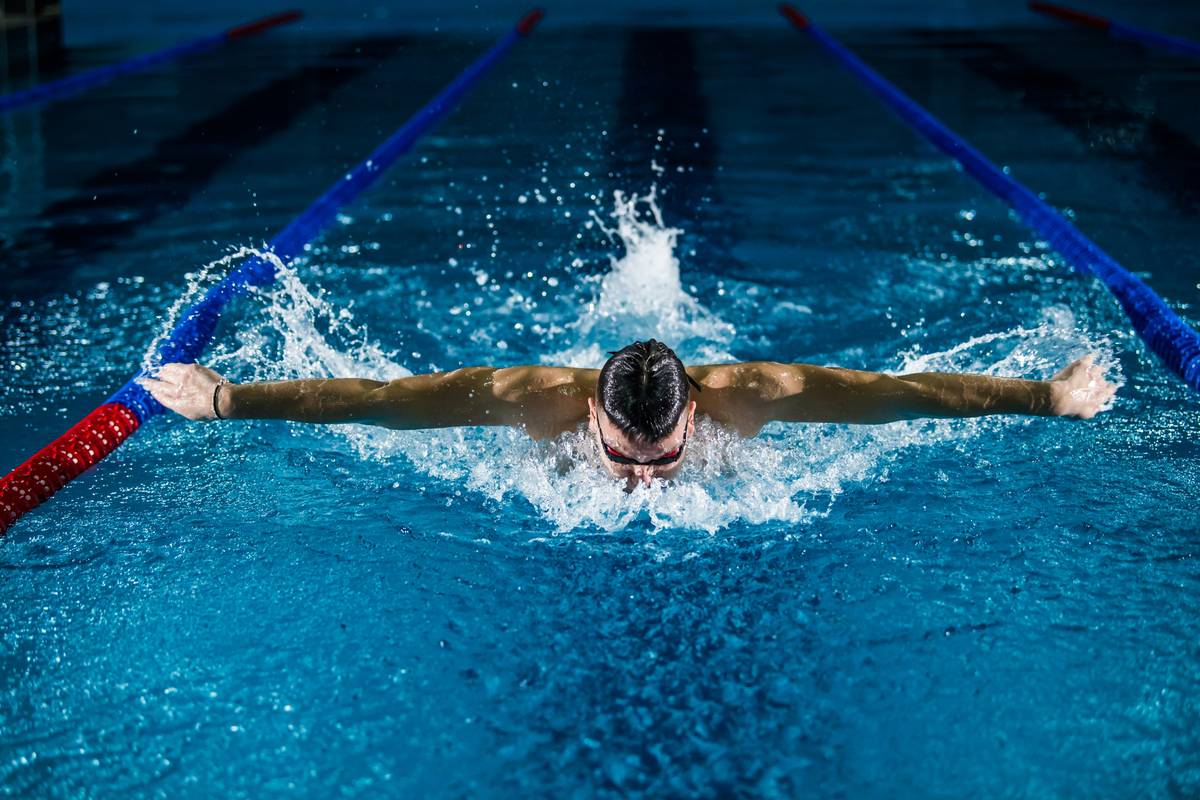
Most people treat swimming as leisure—something you do to cool off or kill time at the pool. But here’s the problem: if you’re only doing lazy laps or avoiding water altogether, you’re missing out on one of the most efficient, joint-friendly, full-body workouts available. And with rising obesity rates and sedentary lifestyles, that oversight costs you metabolic health, endurance, and real functional strength. The solution? Structured swimming workouts for fitness that go far beyond casual paddling.
Why Most Swimming Routines Fail to Deliver Real Fitness Gains
Let’s be honest—most “workouts” in the pool are glorified floats. People swim 10 slow laps, call it cardio, and wonder why they see no change. The issue isn’t the activity; it’s the lack of intensity, structure, and progression.
Traditional gym-goers assume treadmills or weights are superior. But water offers 12–14 times more resistance than air. Yet without deliberate effort—sprints, drills, rest intervals—you’re just moving through a forgiving medium, not building power.
And worse? Many follow outdated advice: “Just swim more.” More what? Breaststroke at half-speed? That won’t spike your heart rate or challenge muscular endurance. Real aquatic fitness demands precision—not just presence.
Swimming Workouts for Fitness: A Step-by-Step Blueprint
Forget generic lap counts. This system builds cardiovascular capacity, muscular endurance, and technique—simultaneously. Start twice weekly. Progress as your stamina improves.
Phase 1: Master Water Confidence (Weeks 1–2)
Before speed or distance, fix form. Poor technique wastes energy and invites shoulder strain. Focus on body position: hips high, head neutral, core engaged. Practice kicking with a board—feet flexed, small rapid movements from the hip, not the knee.
Phase 2: Introduce Interval Training (Weeks 3–6)
Now layer in work-to-rest ratios. Example session:
- Warm-up: 200m easy freestyle
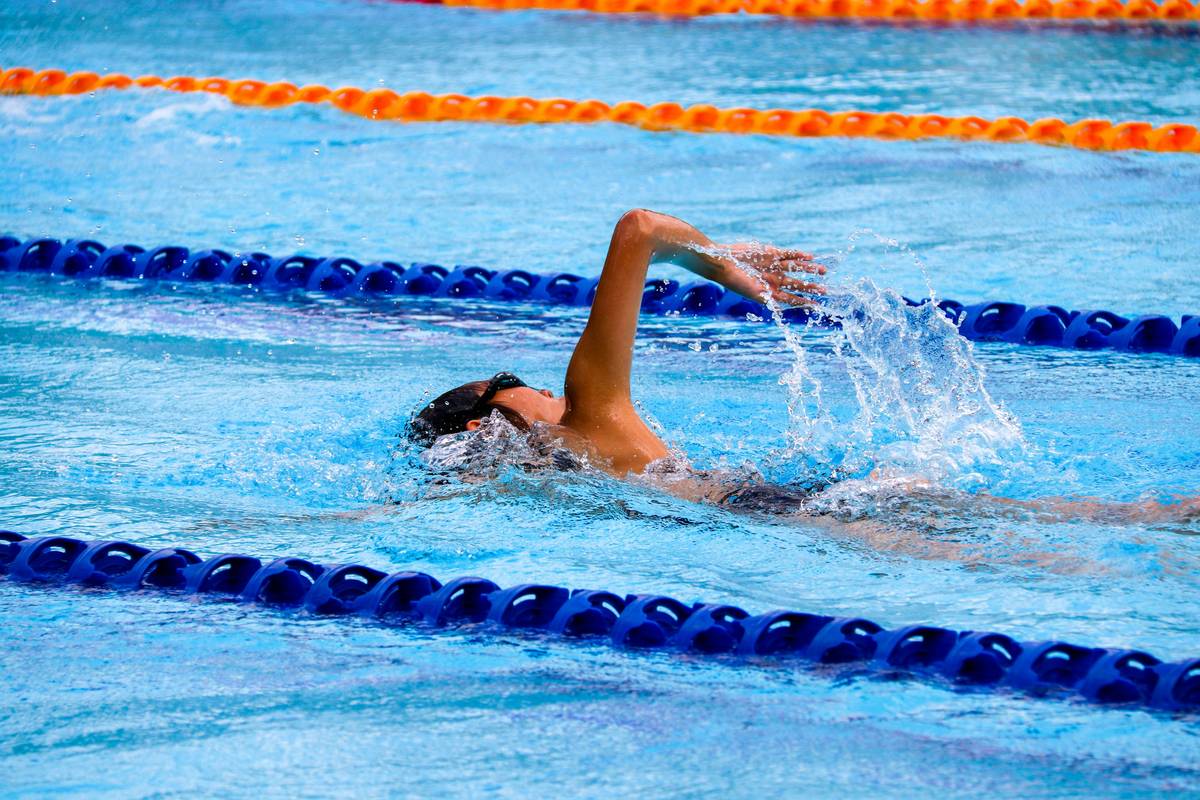
- Main set: 8 x 50m sprints @ 80% effort, 30 sec rest
- Drill: 4 x 25m catch-up stroke (focus on reach and pull)
- Cool-down: 100m backstroke
This isn’t about finishing first. It’s about controlled intensity—pushing your aerobic threshold without gasping.
Phase 3: Add Resistance & Variety (Week 7+)
Use fins, paddles, or drag socks to increase load. Alternate strokes: freestyle for speed, breaststroke for hip mobility, backstroke for posture. The goal? Recruit different muscle groups while keeping heart rate elevated.
| Workout Type | Calories Burned (Per 30 Min) | Primary Muscles Targeted | Best For |
|---|---|---|---|
| Steady-State Laps (Moderate Pace) | 200–250 | Deltoids, lats, quads | Beginners, active recovery |
| Interval Sprints | 350–450 | Core, glutes, hip flexors, shoulders | Fat loss, VO2 max boost |
| Drill-Focused Sessions | 150–200 | Rotator cuff, obliques, calves | Injury prevention, technique refinement |
| Mixed-Stoke Circuit | 300–400 | Full-body, especially posterior chain | Balanced conditioning, mental engagement |

The Industry Secret: Aqua Fitness Isn’t Just Cardio—It’s Neurological Training
Here’s what most coaches won’t tell you: swimming reprograms your nervous system. Every stroke requires split-second coordination between breath, limb movement, and spatial awareness. Unlike running or cycling—where motion is largely linear—swimming forces your brain to manage multidirectional resistance in real time.
That’s why elite athletes cross-train in water: it sharpens proprioception, reduces overuse injuries, and accelerates recovery. But even for non-athletes, this neural engagement translates to better balance, faster reaction times, and even improved cognitive resilience as you age.
Think about it. You’re not just burning calories—you’re rewiring motor patterns. The pool becomes a lab for embodied intelligence. Miss that dimension, and you’re treating swimming like a bathtub.
Frequently Asked Questions
Can swimming workouts for fitness build muscle?
Yes—but not like weightlifting. Water resistance builds lean, functional muscle, especially in shoulders, back, and core. Combine sprints and paddles for greater hypertrophy stimulus.
How often should beginners do swimming workouts for fitness?
Start with 2 sessions per week, 30–40 minutes each. Allow 48 hours between sessions for recovery. Consistency beats volume early on.
Is swimming better than running for weight loss?
Not necessarily “better”—but lower impact. Running burns slightly more calories minute-for-minute, but many sustain swimming longer due to less joint stress, leading to comparable long-term results.