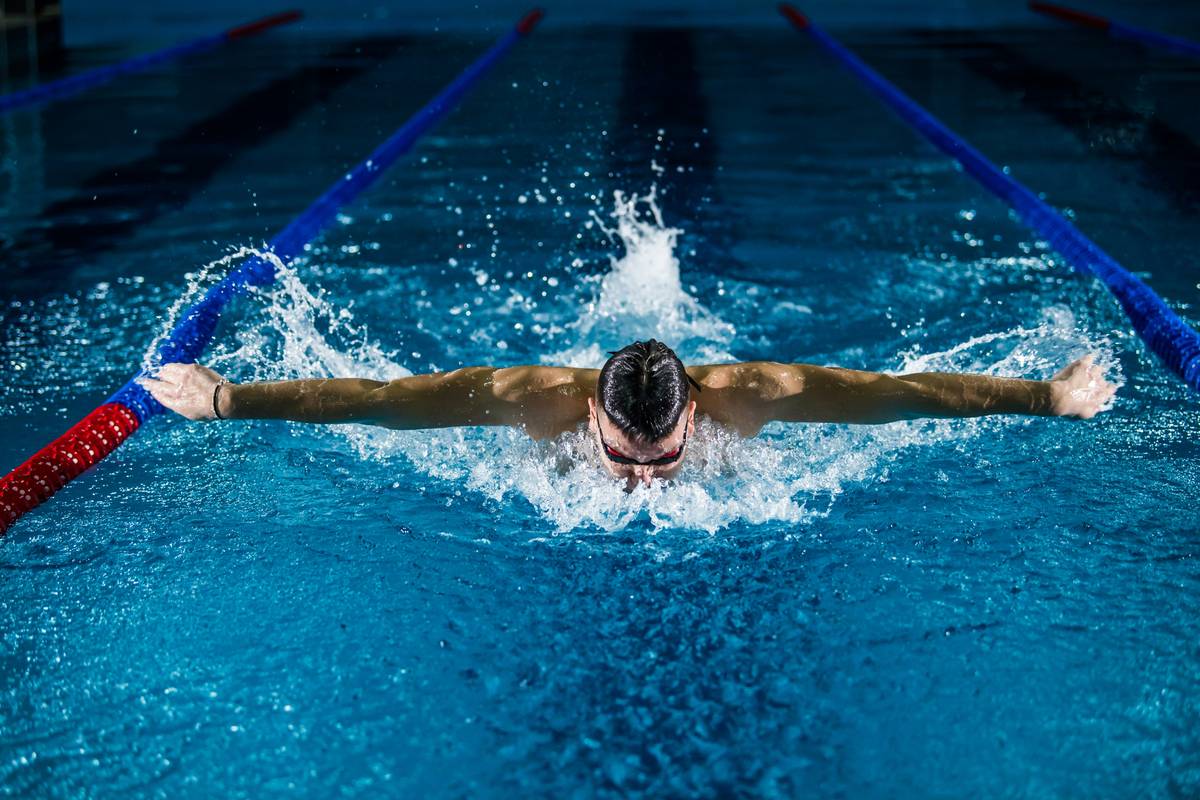
Most people hit the gym, grind through weights, or pound pavement—only to burn out or get injured. They chase fitness like it’s a sprint, not realizing their joints are screaming for mercy. And then there’s swimming. Low-impact, full-body, and shockingly underutilized. The physical benefits of swimming aren’t just real—they’re unmatched for sustainable strength, mobility, and longevity.
Why Land-Based Workouts Fail Most People Long-Term
Running shreds knees. Heavy lifting strains discs. Even yoga can trigger hidden imbalances if form drifts. The reality? Gravity is relentless—and your skeleton pays the price. After age 40, impact trauma accumulates silently. You feel “fine” until you’re not.
Swimming sidesteps this entirely. Water supports 90% of your body weight. No jarring landings. No spinal compression. Just resistance that adapts to your effort—so you build muscle without wrecking connective tissue.
The Physical Benefits of Swimming: A Practitioner’s Blueprint
Forget generic “swim more” advice. Real results come from *how* you swim—not just how often. Here’s what elite aquatic coaches won’t tell beginners:
Technique Over Distance
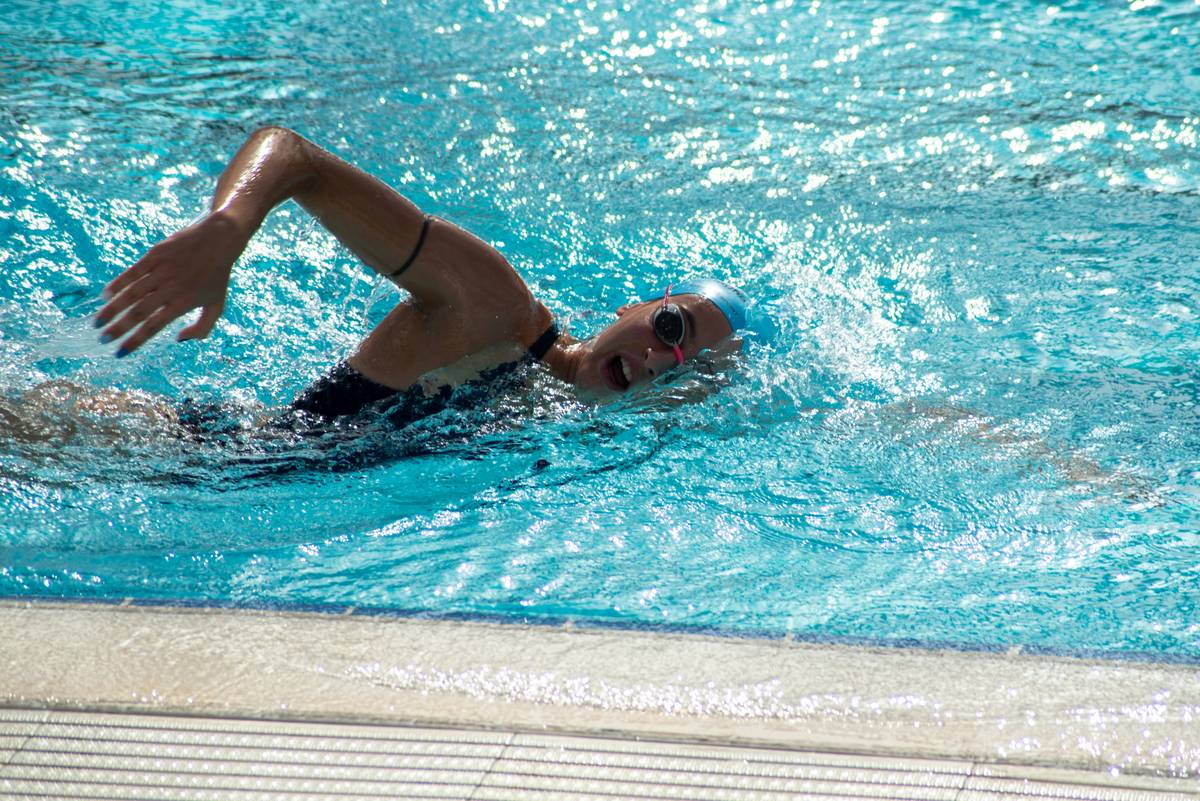
Flailing for 30 laps builds endurance—but not efficiency. Focus on stroke integrity first. A clean freestyle with hip rotation and high elbow catch delivers more core engagement than planks ever could.
Interval Breathing Patterns
Most amateur swimmers breathe every two strokes—creating asymmetry. Try bilateral breathing (every three strokes) for balanced shoulder development and improved lung capacity.
Resistance Without Weights
Water’s natural drag creates progressive overload. Add a pull buoy or hand paddles sparingly—only after mastering body position. Otherwise, you risk shoulder impingement.
| Workout Type | Joint Impact | Calories/Hour (Avg) | Muscle Groups Engaged |
|---|---|---|---|
| Running | High | 600–800 | Quads, hamstrings, calves |
| Weightlifting | Moderate-High | 300–500 | Targeted (e.g., chest, back) |
| Swimming (Freestyle) | Negligible | 500–700 | Full-body: lats, core, shoulders, glutes, quads |
| Cycling | Low | 400–600 | Quads, hamstrings, calves |
The Industry Secret: Hydrostatic Pressure Is Your Silent Ally
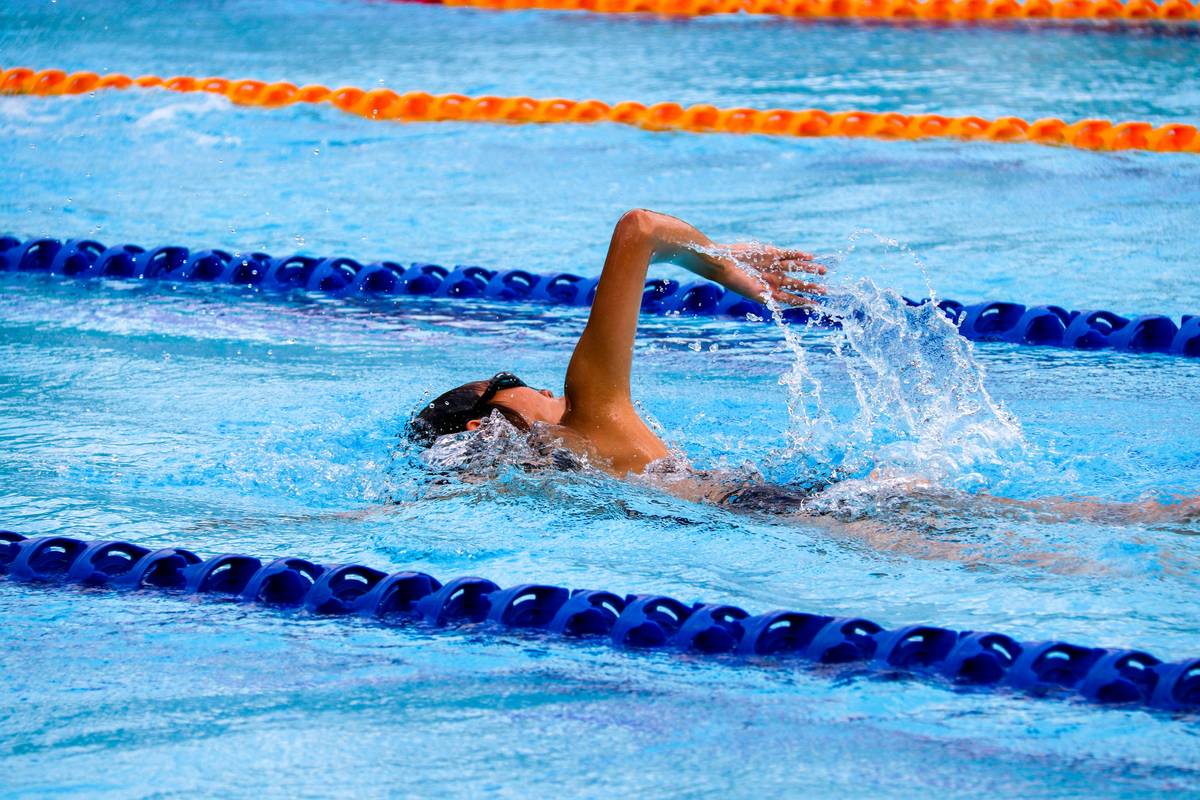
Here’s what no fitness app mentions: water pressure compresses your limbs evenly—a phenomenon called hydrostatic loading. This isn’t just soothing. It actively boosts venous return, slashes post-exercise swelling, and enhances lymphatic drainage. Swimmers recover faster not because they’re “tougher,” but because physics works *for* them.
And—this changes everything—it improves proprioception. Your nervous system recalibrates joint awareness in water, reducing fall risk on land. Elderly swimmers show better balance than non-swimmers their age. That’s not anecdotal. It’s biomechanical fact.
Frequently Asked Questions
Does swimming build muscle like weight training?
Yes—but differently. It builds lean, functional muscle with zero joint stress. While it won’t bulk you like heavy squats, it sculpts endurance-based strength across your entire frame, especially shoulders, back, and core.
How often should I swim to see physical benefits?
Three 30-minute sessions weekly yield noticeable gains in posture, stamina, and joint comfort within 4–6 weeks. Consistency trumps duration.
Can swimming help with back pain?
Absolutely. The horizontal position decompresses spinal discs, while water support lets weak stabilizers activate without strain. Many physical therapists prescribe aquatic exercise as first-line treatment for chronic low back pain.