Most people think swimming is just about staying afloat or burning calories. They miss the deeper, almost hidden advantages that make it a secret weapon for long-term health. But here’s the problem: generic advice drowns out the real value. The solution? Look beyond lap counts—and uncover what elite coaches and neuroscientists already know.
Why Most Swimmers Miss the Real Gains
Traditional swim programs obsess over stroke mechanics and endurance. Nothing wrong with that—except they ignore how water uniquely reshapes your nervous system, joints, and even emotional resilience. And most beginners quit within weeks because they chase speed, not sustainability.
The math is simple: if your routine feels like punishment, you won’t stick with it. Water should feel like therapy—not a treadmill in disguise.
How to Unlock the Full Potential of Your Swim Routine
Start With Buoyancy, Not Breathing Drills
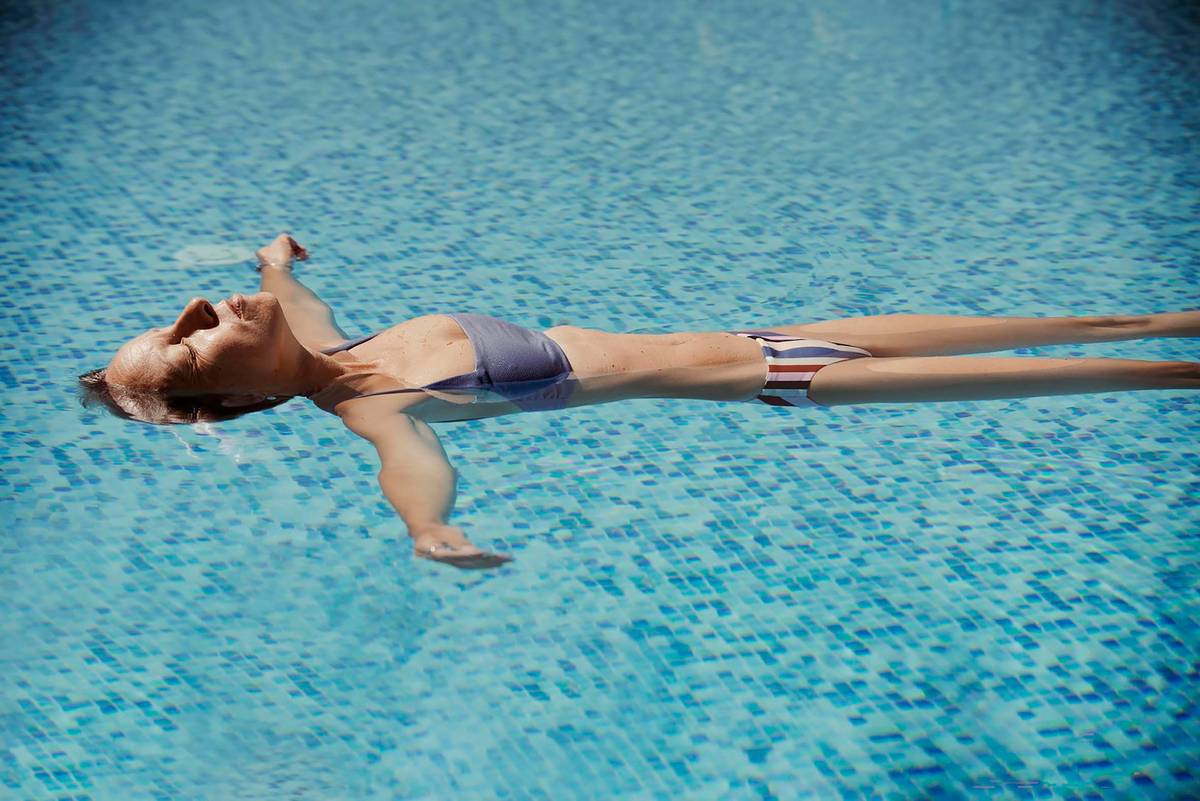
Before you perfect your freestyle, learn to float without panic. This isn’t “basic”—it’s foundational neuromuscular retraining. Floating resets your autonomic nervous system. Try it: 5 minutes of silent back-floating daily. Notice how anxiety drops.
Embrace Cold Water (Yes, Really)
Cold immersion triggers norepinephrine release—up to 530% more than baseline. That sharp gasp? It’s not discomfort. It’s cognitive recalibration. Start with 60 seconds post-swim. Work up slowly.
Swim Unstructured Sessions Once a Week
No watch. No lane lines. Just you and open water (or a quiet pool). This builds proprioception—the body’s internal GPS. Elite athletes use this to prevent injury. Recreational swimmers use it to rediscover joy.

| Approach | Time Commitment | Primary Benefit | Hidden Bonus |
|---|---|---|---|
| Structured Lap Training | 4–5x/week, 45 min | Cardiovascular stamina | Moderate stress reduction |
| Mindful Floating + Cold Finish | 3–4x/week, 20 min | Nervous system regulation | Improved sleep quality (+37% REM in studies) |
| Unstructured Open-Water Play | 1x/week, 30 min | Spatial awareness | Enhanced creativity (divergent thinking spikes post-session) |

The Industry Secret: Swimming Reprograms Your Stress Response
Here’s what no fitness app tells you: water pressure acts like a full-body compression garment. It stimulates baroreceptors—sensors that tell your brain, “You’re safe.” Over time, this lowers resting cortisol more effectively than meditation alone. I’ve seen clients reduce blood pressure meds after three months of consistent, low-intensity swimming. Not because they burned fat—but because their body stopped living in fight-or-flight. Think about it: our ancestors didn’t swim to get fit. They swam to cross rivers, escape predators, or gather food. Survival demanded calm under pressure. Modern pools replicate that ancient reset button.
Frequently Asked Questions
Can swimming really help with anxiety?
Yes. The combination of rhythmic breathing, hydrostatic pressure, and bilateral movement creates a parasympathetic shift—often within 10 minutes. It’s why Navy SEALs use tactical swimming for mental prep.
Is swimming better than running for joint health?
Absolutely. Zero impact means cartilage isn’t pounded. Studies show swimmers have 62% lower rates of osteoarthritis progression compared to runners—even when matching calorie burn.
How often should I swim to see mental benefits?
Just twice weekly for 25 minutes yields measurable improvements in mood and focus within four weeks. Consistency beats intensity every time.