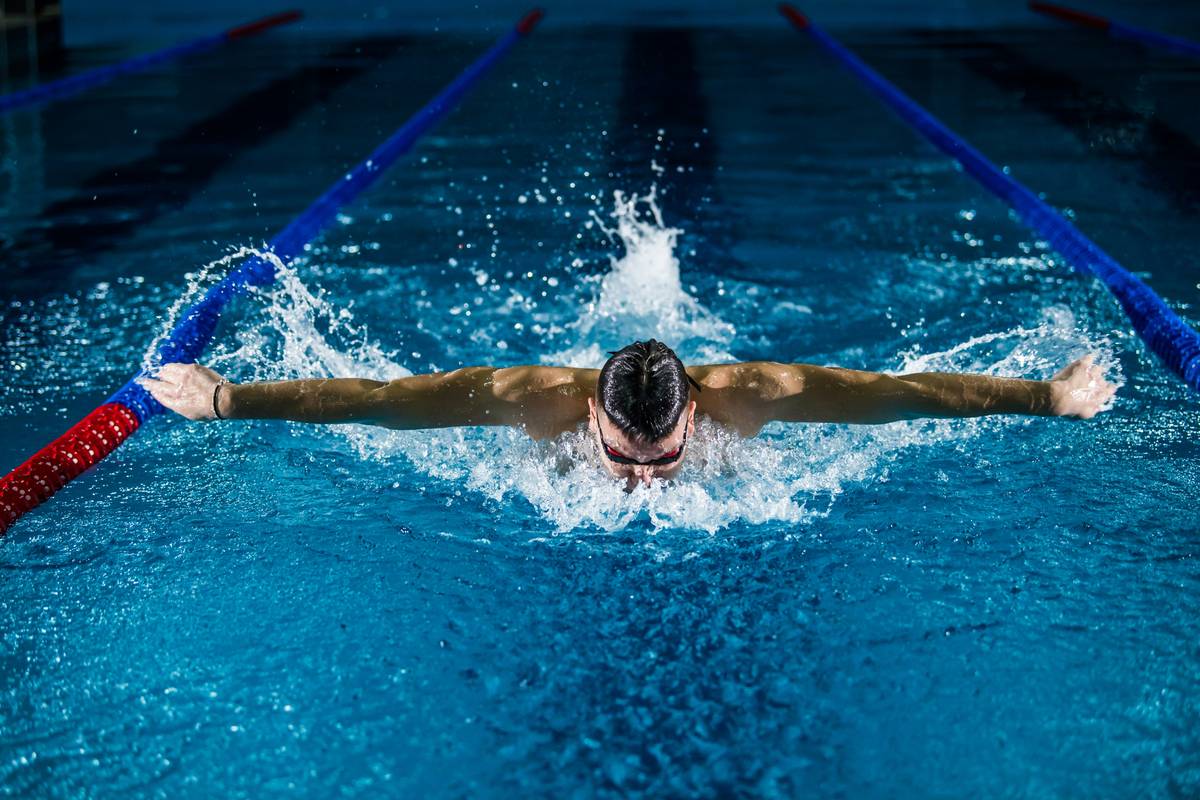
Most swimmers plateau after months of effort—not because they’re lazy, but because they’re training wrong. They mimic elite routines without understanding the biomechanics behind them. The result? Wasted hours, shoulder injuries, and frustrating stagnation. Here’s the fix: a precision-based approach to professional swimmer training techniques that prioritizes neural adaptation over brute repetition.
Why Generic Swim Programs Fail Even the Most Dedicated Athletes
Coaches love assigning “100x100s on 1:30.” Sounds tough. Feels productive. But it’s mostly aerobic filler—great for endurance campers, useless for speed refinement. And that’s the trap.
Swimming isn’t just about power or lung capacity. It’s about **propulsive efficiency**—how much forward motion you generate per stroke. Most amateur programs ignore this. They chase yardage, not quality.
But elite swimmers don’t log miles blindly. They log *intent*. Every rep has a specific neuromuscular target. Miss that nuance, and you’re just splashing with purpose.
Professional Swimmer Training Techniques: A Precision Framework
Forget cookie-cutter plans. Real progress comes from stacking micro-skills—proprioception, timing, water feel—into race-ready execution. Start here:
Master Underwater Dolphin Kicking First
Elite sprinters gain 60% of their start momentum underwater. Yet most age-groupers surface too soon. Drill: 15m streamline kicks off every wall—no breath, no compromise.
Deadspot Elimination Drills
Your pull shouldn’t have “gaps.” Use fingertip drag and sculling variations to maintain constant pressure on the water. This builds hydrodynamic awareness most dryland strength can’t replicate.
Stroke Rate vs. Distance Per Stroke Balance
Go too fast, you slip. Too slow, you stall. Use a Tempo Trainer Pro to lock in your optimal turnover—then gradually increase DPS (distance per stroke) at that cadence. That’s how records are set.
| Training Focus | Amateur Approach | Elite Execution | Time to Mastery |
|---|---|---|---|
| Kick Efficiency | Flutter kick sets with board | Vertical kicking + monofin resistance | 8–12 weeks |
| Breathing Rhythm | Bilateral breathing every 3 strokes | Situation-specific patterns (e.g., 2-left/1-right in sprints) | 4–6 weeks |
| Turn Precision | Basic flip turns | Open turns with 0.2s T-start optimization | 6–10 weeks |
The Industry Secret: Train Like a Surgeon, Not a Soldier
Here’s what no one tells you: the fastest swimmers spend less time in the pool than you think. Michael Phelps’ peak weekly volume? Around 50,000 yards—modest by today’s “more is better” standards.
The real edge? **Specificity density**. They compress high-intent reps into shorter windows. Example: Instead of 20×100 freestyle, they’ll do 8×25 at race pace—with full recovery and video feedback between each.
Neural pathways wire through precision, not fatigue. Miss that, and you’re building endurance for mediocrity.
Frequently Asked Questions
How often should I train using professional swimmer techniques?
3–5 focused sessions weekly beat 7 sloppy ones. Prioritize quality sets under 90 minutes with clear technical goals.
Can beginners use elite swimmer drills?
Yes—but scaled. Start with 25m versions of elite drills. Master body position before adding speed or complexity.
Do I need a coach to apply these techniques?
Ideal, but not mandatory. Use smartphone underwater footage + apps like Coach’s Eye to self-correct stroke flaws weekly.