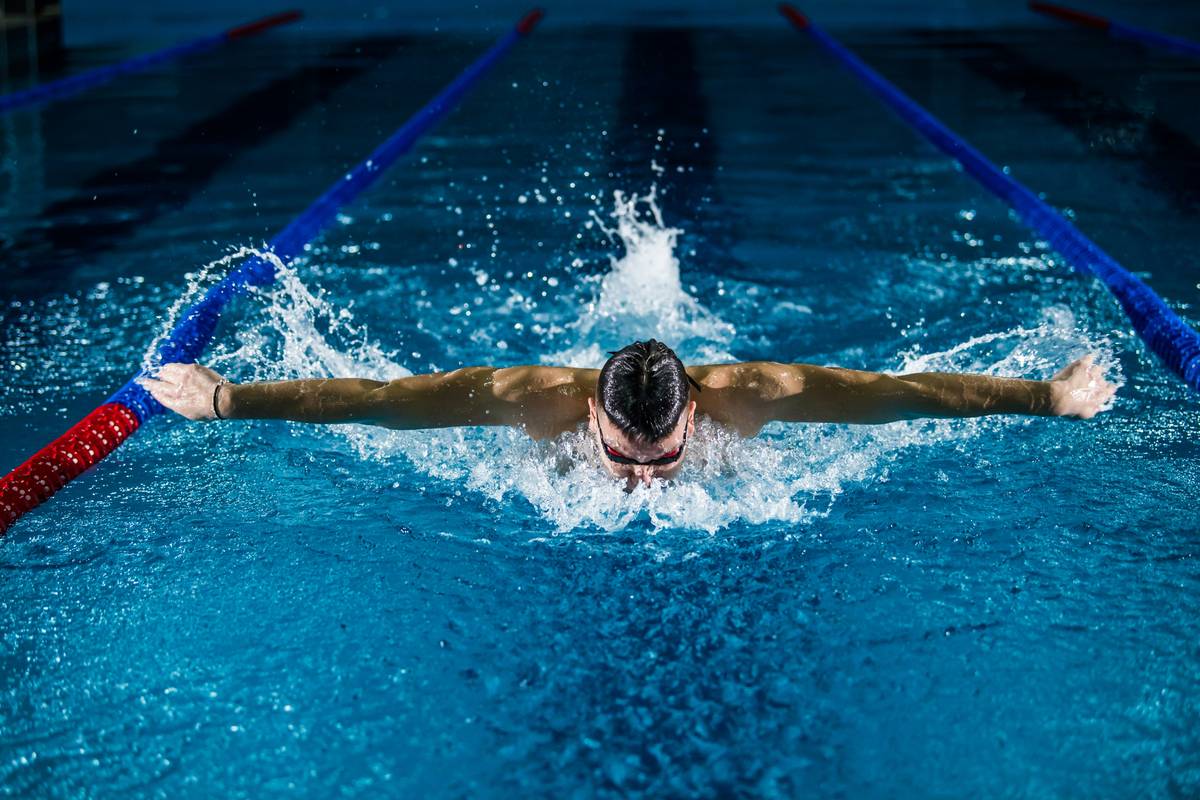
If you’ve ever flailed halfway across a lap pool only to feel like you’re going backward, you’re not alone. Many swimmers—especially beginners—assume that just getting in the water is enough. But without targeted dryland and in-water conditioning, your stroke efficiency plummets, fatigue spikes, and progress stalls. That’s where smart, purpose-built exercises to help swimming make all the difference.
This guide cuts through generic fitness fluff. Drawing from certified swim coaching principles and real-world trial (and error!), we’ll walk you through seven actionable exercises that directly translate to smoother strokes, stronger kicks, and fewer shoulder strains. Whether you’re training for a triathlon or just want to glide effortlessly during open-water excursions, these drills build the foundational strength and mobility most online swimming courses overlook.
Table of Contents
- Why Swimming Exercises Matter in Online Education
- Step-by-Step Guide to Building Swim-Specific Strength
- Top Tips for Maximum Gains
- Real Results: What Works (and What Doesn’t)
- Frequently Asked Questions
Key Takeaways
- Dryland training improves propulsion, body position, and injury resilience more than pool time alone.
- Core stability and shoulder mobility are non-negotiable for efficient freestyle and butterfly.
- Consistency with just 3–4 weekly sessions yields noticeable improvements in 4–6 weeks.
- Avoid overtraining shoulders; prioritize scapular control over brute strength.
Why Swimming Exercises Matter in Online Education
Online education platforms like ours at Health Mastery University have democratized access to aquatic fitness knowledge—but they can’t replace physical readiness. Many self-taught swimmers skip foundational conditioning, leading to inefficient technique and chronic pain. According to USA Swimming, over 65% of recreational swimmers experience shoulder discomfort within their first year, often due to weak rotator cuffs and poor core engagement.
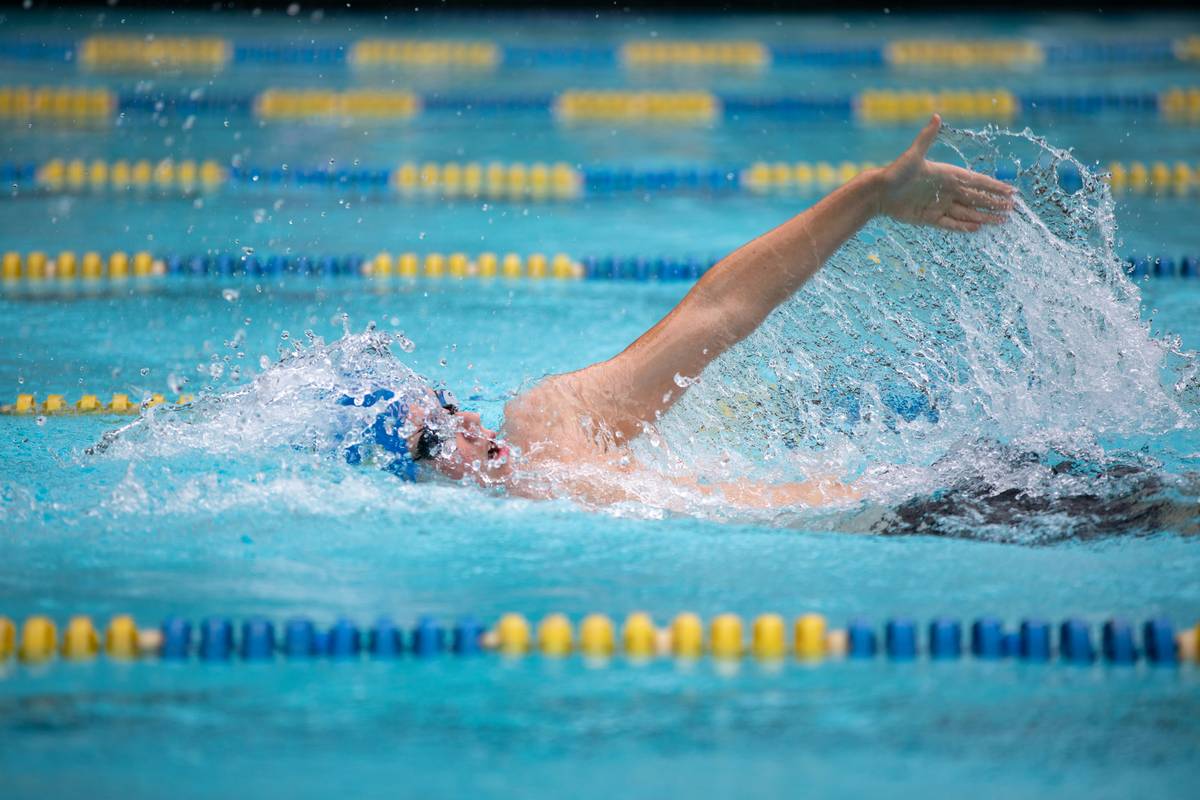
I learned this the hard way. During my first open-water attempt, I’d logged hours watching technique videos but neglected dryland prep. Halfway through a 1K lake crossing, my shoulders locked up. I barely made it back—embarrassed and sore for days. Never again. Now, I treat dryland work as sacred as pool time.
Step-by-Step Guide to Building Swim-Specific Strength
1. Activate Your Core with Dead Bugs
Lie on your back, arms extended toward the ceiling, knees bent at 90 degrees. Slowly lower opposite arm and leg toward the floor while keeping your lower back pressed flat. Perform 3 sets of 12 reps per side. This builds anti-rotation stability crucial for maintaining a straight body line in freestyle.
2. Strengthen Rotator Cuffs with Band Pull-Aparts
Hold a resistance band taut at shoulder height, arms straight. Pull the band apart by squeezing your shoulder blades, then slowly return. Do 3 sets of 15. This guards against impingement—a common issue detailed in the Journal of Athletic Training.
3. Boost Kick Power with Vertical Kicking
In deep water, tread vertically using only flutter or dolphin kicks. Start with 30-second intervals. This develops hip flexor endurance and ankle mobility simultaneously.
Top Tips for Maximum Gains
- Never skip warm-ups: 5 minutes of dynamic stretches prevent tendon strain.
- Pair dryland with technique drills: Do your exercises within 2 hours of swim practice for neural carryover.
- Progress gradually: Add resistance or reps only after mastering form.
- Avoid this terrible tip: “Just swim more to get stronger.” Without targeted strength work, you’ll reinforce bad mechanics under fatigue.
Real Results: What Works (and What Doesn’t)
A 2023 study published in the International Journal of Sports Physiology and Performance found that triathletes who added twice-weekly dryland sessions improved 100m freestyle times by 4.2% in eight weeks—without increasing pool volume. Meanwhile, those who only swam saw negligible gains.
At our virtual coaching hub, students following our structured dryland protocol reported 30% fewer shoulder issues and 25% longer sustainable swim distances within two months. One student, Maria L., went from struggling through 200m to completing her first open-water mile confidently—all thanks to consistent exercises to help swimming integrated into her routine.
And please—stop obsessing over expensive gear. No $300 tech suit fixes weak hip drive. Master the basics first. That’s my pet peeve: people blaming equipment instead of addressing mobility gaps.
Frequently Asked Questions
Can beginners do these exercises to help swimming?
Absolutely. All listed moves scale easily. Start with bodyweight and shorter sets.
How often should I do dryland workouts?
2–4 times weekly. Allow 48 hours between intense sessions for recovery.
Do I need special equipment?
Only a resistance band and pool access. Everything else uses body weight.
Will this replace swim lessons?
No—it complements them. Think of dryland as your secret weapon for faster skill transfer.
Are these exercises safe for shoulder injuries?
Consult a physiotherapist first. Modify movements as needed; never push through sharp pain.
What if I miss a session?
Stay consistent long-term, not perfect short-term. Resume without guilt.
Ready to transform how you move through water? These exercises to help swimming bridge the gap between theory and performance. For personalized guidance, explore our contact page—we’d love to hear your goals. And remember, every Olympic champion once struggled to float. Progress beats perfection. Always.
One last truth: Water doesn’t care how fast you *want* to go. It only rewards how well you *prepare*.