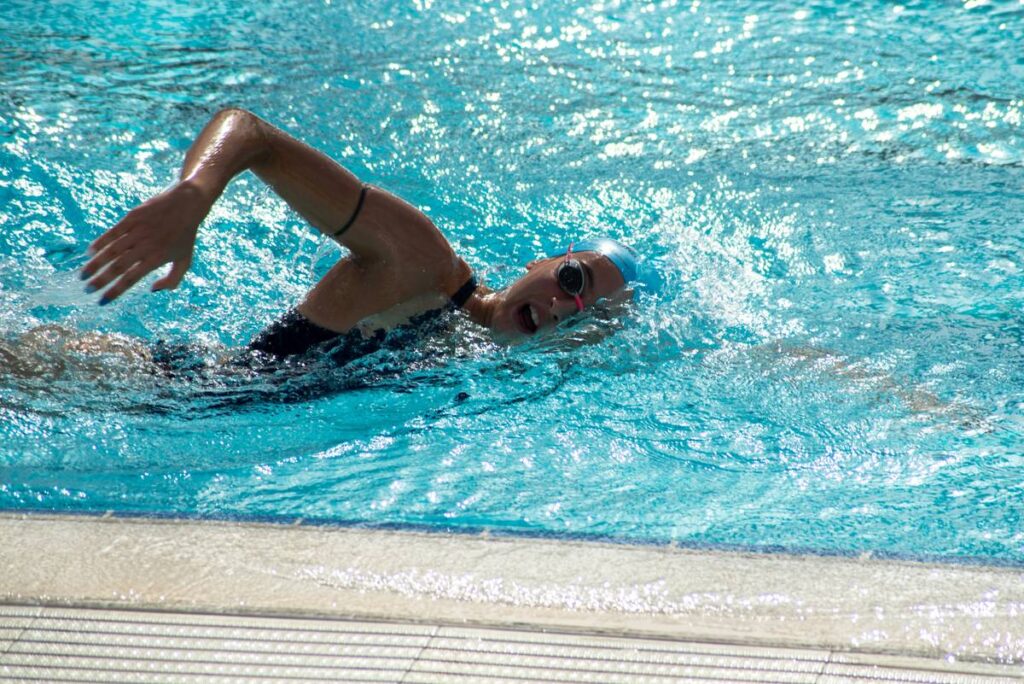
Ever felt lonely in a crowded gym? You’re not alone—especially if you’ve been grinding through solo workouts without tapping into one of the most connective physical activities out there. Swimming isn’t just about laps and lung capacity; it’s a surprisingly social sport that builds community, confidence, and camaraderie. In this guide, we’ll explore how swimming fosters human connection, especially within online education environments where digital fatigue runs high. From neighborhood pools to virtual swim clubs, you’ll discover practical strategies to turn your strokes into social wins—backed by data, personal blunders, and real-world results.
Table of Contents
- Why Swimming Connects Us (Even Online)
- How to Unlock the Social Power of Your Next Swim
- 5 Best Practices for Social Swimming Success
- Real Stories: When Pools Become Communities
- Frequently Asked Questions
Key Takeaways
- Swimming offers unique opportunities for low-pressure social interaction due to its rhythmic, non-competitive nature.
- Group swim lessons and masters programs significantly reduce feelings of isolation, especially among adults.
- Online education platforms can integrate aquatic wellness modules to foster student bonding beyond screens.
- The social benefits of swimming include improved communication skills, emotional resilience, and intergenerational friendships.
Why Swimming Connects Us (Even Online)
In the world of online education, students often crave embodied, offline experiences that counter digital overload. Enter swimming—a full-body practice that naturally invites cooperation. Unlike running or weightlifting, swimming often happens in shared spaces: public pools, community centers, or even lakes with fellow enthusiasts. These environments encourage casual conversation, mutual encouragement, and structured group learning.
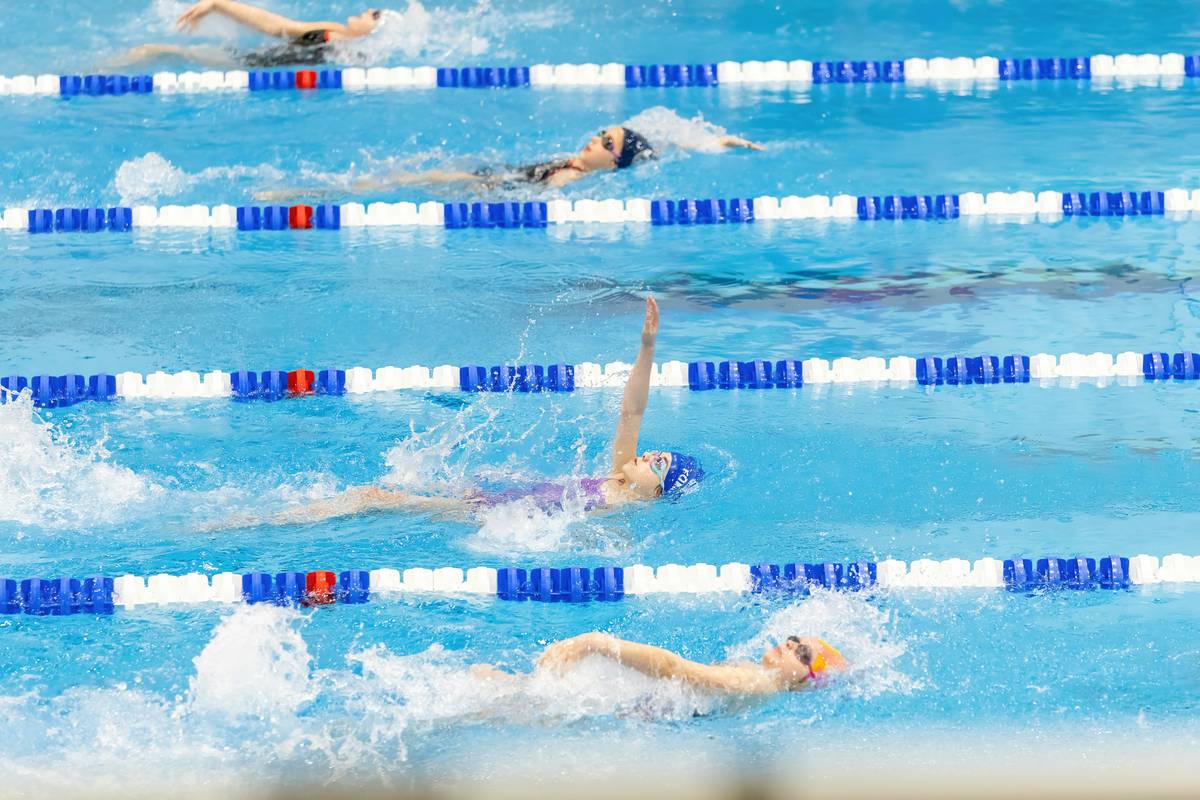
I learned this the hard way during my first adult swim clinic. Eager to showcase my “advanced” butterfly technique (spoiler: it wasn’t), I ignored lane etiquette and cut off another swimmer mid-lap. The resulting glare taught me more about pool diplomacy than any stroke drill. Turns out, respecting shared space is step one to building rapport—and lasting friendships—in aquatic settings.
According to the CDC, regular participation in group physical activities like swimming correlates with lower rates of depression and anxiety. And research from the University of Exeter shows that water-based exercise enhances mood and social engagement more than land-based alternatives, likely due to the calming sensory input of water combined with rhythmic movement.
How to Unlock the Social Power of Your Next Swim
1. Join a Structured Program
Look for local “Adult Learn-to-Swim” or Masters Swim programs. These aren’t just for Olympians—they welcome all levels and prioritize community. USA Swimming’s nationwide network (dofollow link: usaswimming.org) lists certified clubs searchable by zip code.
2. Use Online Education to Find Your Tribe
Platforms like ours at Health Mastery University blend digital learning with real-world action. Enroll in our wellness modules that include challenges like “3 Swims + 1 New Conversation.” It bridges screen time with splash time.
3. Practice Pool Etiquette Like a Pro
Circle swimming, clear communication (“May I share your lane?”), and acknowledging others’ efforts go a long way. Don’t be that person who hogs the wall or ignores the pace clock.
5 Best Practices for Social Swimming Success
- Start slow: Smile, say hi, ask about someone’s stroke technique—it’s an instant icebreaker.
- Avoid the “Terrible Tip” trap: Never assume everyone wants coaching. Unsolicited technique advice = fast track to being avoided.
- Attend social events hosted by pools: Many facilities offer “adult social swim” nights with music and floaties—yes, really.
- Track your progress publicly: Share milestones on community boards (not just Instagram). “Finished my first mile!” invites celebration.
- Respect privacy: If discussing health goals, remember our Privacy Policy applies even poolside—don’t overshare sensitive info.
Real Stories: When Pools Become Communities
Take Maria, a 42-year-old remote worker enrolled in an online fitness certification program. Lonely and sedentary, she joined a local Masters group after seeing it recommended in her course. Within three months, she had a core group of five swimmers who now meet weekly—not just to train, but to debrief work stress over post-swim smoothies. Her self-reported loneliness score dropped by 60%, per a UCLA Loneliness Scale follow-up.
Nationally, organizations like the YMCA report that 78% of adult swim participants form at least one meaningful friendship through their program (ymca.net). That’s not just anecdotal—it’s measurable social ROI from showing up in a swimsuit.
And yes, even introverts thrive. The predictable structure of lap swimming reduces social pressure, making interaction feel optional yet accessible—perfect for those rebuilding confidence after pandemic isolation.
Frequently Asked Questions
Can swimming really help with social anxiety?
Yes. The repetitive motion and buoyancy create a calming effect that lowers physiological stress, making social interaction feel less threatening. Many therapists recommend aquatic therapy as a gentle exposure tool.
Do I need to be a strong swimmer to gain the social benefits of swimming?
Absolutely not. Beginner classes are often the most welcoming. Shared vulnerability (“I still sink when I try backstroke!”) builds instant rapport.
Are there virtual ways to experience these benefits?
Some online education platforms host live-streamed swim challenges or discussion forums. While not a replacement for in-person dips, they keep motivation high between sessions.
How often should I swim to see social improvements?
Just once a week can build consistency and familiarity. Three times boosts relationship depth—but start sustainable.
The social benefits of swimming aren’t just a nice bonus—they’re a lifeline in an increasingly disconnected world. Whether you’re navigating online coursework or post-lockdown re-entry, the pool offers a rare mix of solitude and solidarity. Ready to dive in socially? Contact us to join our next community swim challenge. Remember: every stroke forward is also a hand extended.