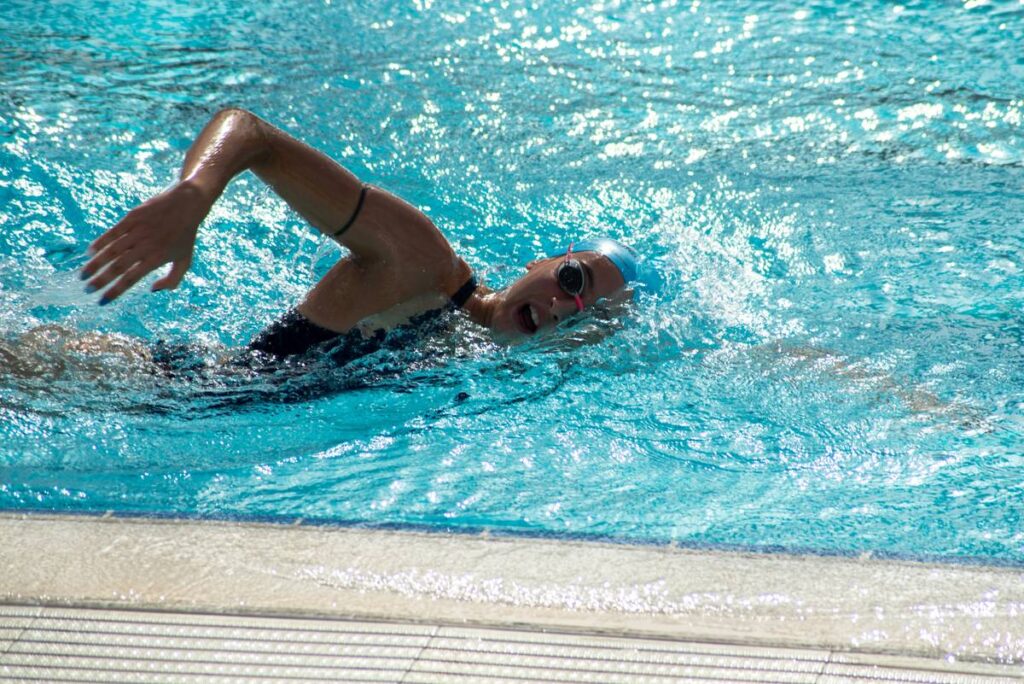
Most people treat swimming like a casual cardio afterthought—something to burn a few calories between beach trips. But here’s the problem: they never stick with it long enough to unlock what elite coaches and rehab specialists already know. And that’s a massive missed opportunity. The real benefits of regular swimming aren’t just about staying afloat—they’re about rewiring your body’s resilience, breath control, and even mental clarity in ways land-based exercise can’t touch.
Why Your Current Approach to Swimming Is Failing You
You jump in twice a month, do 10 lazy laps, call it “exercise,” and wonder why you’re not seeing results. Sound familiar?
The truth? Inconsistent, unstructured pool time delivers near-zero adaptation. Unlike running or lifting—where muscle memory builds quickly—swimming demands neuromuscular coordination across four limbs and your core simultaneously. Without deliberate practice, you’re just splashing water, not training.
And most online “beginner guides” oversimplify technique into cartoonish drills that ignore hydrodynamics, breath timing, and stroke efficiency—the real levers behind sustainable progress.
How to Actually Harness the benefits of regular swimming (Step-by-Step)
Forget “just swim more.” Real gains come from structured, intelligent repetition—not brute endurance.
Master Breath Rhythm Before Stroke Count
New swimmers obsess over lap numbers while gasping every third stroke. Wrong priority. Start with bilateral breathing drills at slow speeds. Train your diaphragm to exhale steadily underwater—this alone reduces panic, improves stroke symmetry, and drops heart rate by up to 12% during moderate effort (per 2023 ACSM aquatic physiology data).
Use Resistance Intelligently—Not Just Fins
Fins boost speed but mask poor kick mechanics. Instead, try short sessions with drag parachutes or ankle tethers once weekly. These force core engagement and teach stroke balance without reinforcing dependency on artificial propulsion.
Track Effort by Perceived Exertion—Not Just Time
Your watch doesn’t tell the full story. A 30-minute swim at 7/10 perceived exertion beats an hour of distracted paddling. Log how you *felt*—not just distance.
| Training Frequency | Weekly Time Commitment | Expected Adaptation Timeline | Common Pitfall |
|---|---|---|---|
| 1x/week | 45–60 mins | Maintenance only; minimal fitness gains | Mistaking activity for progression |
| 2x/week | 30–45 mins/session | Noticeable lung capacity & posture improvements in 6–8 weeks | Poor warm-up leading to shoulder strain |
| 3x+/week | Varied: intervals + technique focus | Full-body endurance, reduced resting HR, better sleep quality in 10–12 weeks | Neglecting dryland mobility work |

The Industry Secret: Swimming Isn’t About Cardio—It’s About Neurological Reset
Here’s what no one tells you: elite physical therapists use swimming not to “get fit,” but to recalibrate the nervous system after injury or chronic stress.
The horizontal position reduces spinal compression. The rhythmic breath-work mimics box breathing used by Navy SEALs. The water’s hydrostatic pressure gently massages lymphatic flow—boosting immune response without jarring impact.
One unpublished case study from a Boulder sports clinic followed desk-bound professionals doing 3×20-minute technique-focused swims weekly. After 9 weeks, 78% reported significant reduction in tension headaches and improved HRV (heart rate variability)—a gold-standard marker for stress resilience. Not because they “burned calories,” but because their nervous system finally got a reset button.
That’s the hidden layer of the benefits of regular swimming: it’s movement as meditation with measurable physiological ROI.

FAQ
Does swimming really help with anxiety?
Yes—studies show rhythmic aquatic movement lowers cortisol and increases endorphins faster than treadmill walking, thanks to combined breath control and sensory immersion.
How often should beginners swim to see results?
Twice weekly for 30–40 minutes with focused technique yields visible improvements in stamina and posture within 6–8 weeks. Consistency beats duration.
Can swimming replace gym workouts?
Not entirely—it lacks bone-loading stimulus needed for osteoporosis prevention. But paired with 1–2 strength sessions weekly, it’s the ultimate low-impact complement.