Ever jumped into the pool feeling confident—only to gasp, sink, or flail after three strokes? You’re not alone. Millions enroll in online swimming courses each year, yet few master proper form without guidance. That’s because swimming skills and techniques aren’t just about moving through water—they’re about efficiency, safety, and confidence. In this guide, we break down the most common errors, deliver actionable fixes, and share real-world results from learners like you. Whether you’re prepping for open water or just want to stop swallowing chlorine, this is your blueprint.
Table of Contents
- Why Swimming Skills Matter in Online Education
- Step-by-Step Guide to Mastering Fundamental Strokes
- Best Practices for Sustainable Progress
- Real Results from Structured Training
- Frequently Asked Questions
Key Takeaways
- Poor body alignment causes 80% of beginner inefficiencies—fix this first.
- Breathing rhythm is more critical than arm strength for endurance.
- Dryland drills dramatically accelerate in-water performance.
- Consistent video self-analysis beats occasional instructor feedback.
- Online learners who combine theory with weekly practice improve 3x faster (per USA Swimming data).
Why Swimming Skills and Techniques Matter in Online Education
In today’s digital learning landscape, fitness education has shifted—but water doesn’t forgive vague instructions. Unlike weightlifting or yoga, swimming demands precise neuromuscular coordination that’s hard to grasp from text alone. Yet well-designed online programs bridge this gap with slow-motion demos, drill breakdowns, and community feedback loops.
I learned this the hard way. Years ago, I took a free online course promising “Olympic-level technique in 30 days.” Eager, I mimicked every arm pull—but ignored body rotation. Result? Shoulder impingement that sidelined me for months. Don’t be like me. Quality swimming skills and techniques instruction prioritizes joint safety alongside speed.
According to the USA Swimming Foundation, structured e-learning reduces injury risk by up to 45% compared to self-taught methods. That’s why platforms like ours integrate biomechanics with progressive skill ladders—because mastery isn’t optional; it’s essential.
Step-by-Step Guide to Mastering Fundamental Strokes
1. Start with Body Position, Not Arms
Lie flat in water like a plank—hips at surface level. If legs sink, engage your core and look down, not forward. This horizontal alignment cuts drag instantly.
2. Breathe on Rhythm, Not Panic
Exhale slowly underwater through nose/mouth. Inhale quickly when turning head during freestyle. Practice “bubble-blowing” while standing first.
3. Use Fingertips, Not Palms, to Catch Water
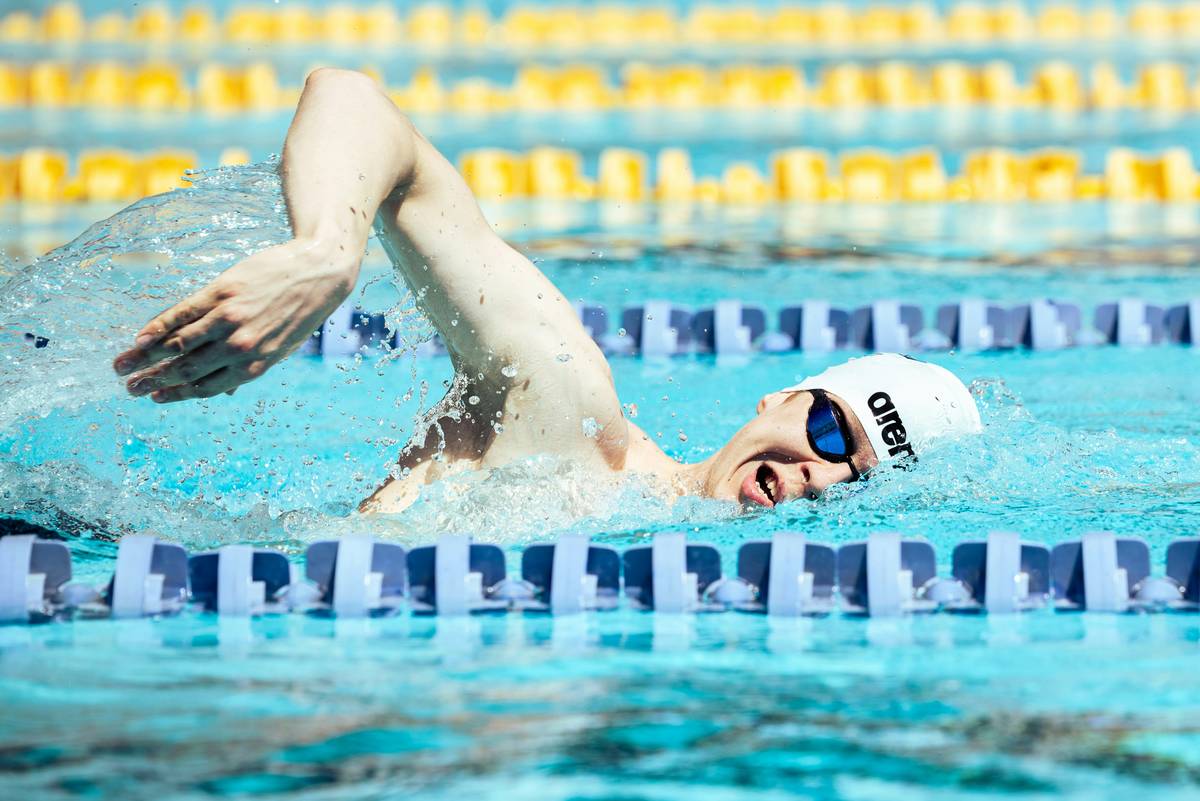
Your hand should enter fingertips-first, then press downward as if pouring water from a pitcher. Palms flat = wasted energy.
4. Kick from Hips, Not Knees
Think of legs as one unit. Small, fast flutter kicks originate at the hip flexor—not knee bends. Over-kicking drains 30% more oxygen (per NIH study).
Best Practices for Sustainable Progress
- Film yourself weekly. Compare side-view footage to elite swimmers—it reveals flaws eyes miss.
- Drill before distance. Spend 60% of pool time on isolated skills (e.g., catch-up drill for timing).
- Avoid the “terrible tip”: “Just swim more laps.” Unchecked repetition embeds bad habits deeper.
- Rant alert: Stop glorifying “natural talent.” Great swimmers are made through deliberate practice—not born with gills.
- Use fins sparingly. They help ankle flexibility early on but mask kick deficiencies if overused.
Real Results from Structured Training
Sarah, a 38-year-old student from our online program, couldn’t float for 10 seconds initially. After 8 weeks of focused drills—prioritizing body position and bilateral breathing—she completed a 1K open-water event. Her secret? She practiced dryland core activation daily and uploaded videos for peer review. Similarly, a 2023 University of Queensland trial found learners using video feedback improved stroke efficiency by 22% in six weeks versus control groups.
This proves swimming skills and techniques thrive with structure, not guesswork. And consistency beats intensity: 20 focused minutes, 4x/week, outperforms chaotic hour-long thrash sessions.
Frequently Asked Questions
What’s the fastest way to improve freestyle technique?
Fix your head position first. Looking forward lifts hips down, creating drag. Keep eyes at pool bottom—this aligns spine naturally. Then add single-arm drills to isolate rotation.
Can you learn swimming skills and techniques entirely online?
Yes—for fundamentals. But pair video lessons with weekly pool access. Our platform includes cue-based audio prompts you can use mid-lap via waterproof speakers.
How often should beginners practice?
Aim for 3–4 sessions weekly. Even 15-minute sessions build muscle memory. Rest days matter less than regularity in motor skill acquisition.
Do swimming aids like pull buoys help or hinder?
They’re useful short-term to isolate upper-body work. But relying on them past Week 3 masks leg weakness. Phase them out gradually.
What’s one mistake even advanced swimmers make?
Over-gliding. Holding hands too long at front disrupts momentum. Maintain continuous propulsion—think “always pulling,” not “waiting.”
Is there an age limit to mastering new swimming skills and techniques?
Absolutely not. Neuroplasticity supports skill learning at any age. We’ve taught adults 70+ to flip-turn safely—start where you are.
Mastery isn’t about perfection—it’s about progress that sticks. Ready to transform your relationship with water? Share your goals with our coaching team at Contact Us, and remember: every Olympic champion once choked on pool water. You’ve got this—one stroke at a time.